Good Systems Awards Seed Grants to Six Faculty Teams Advancing Human-Centered AI

January 26, 2026
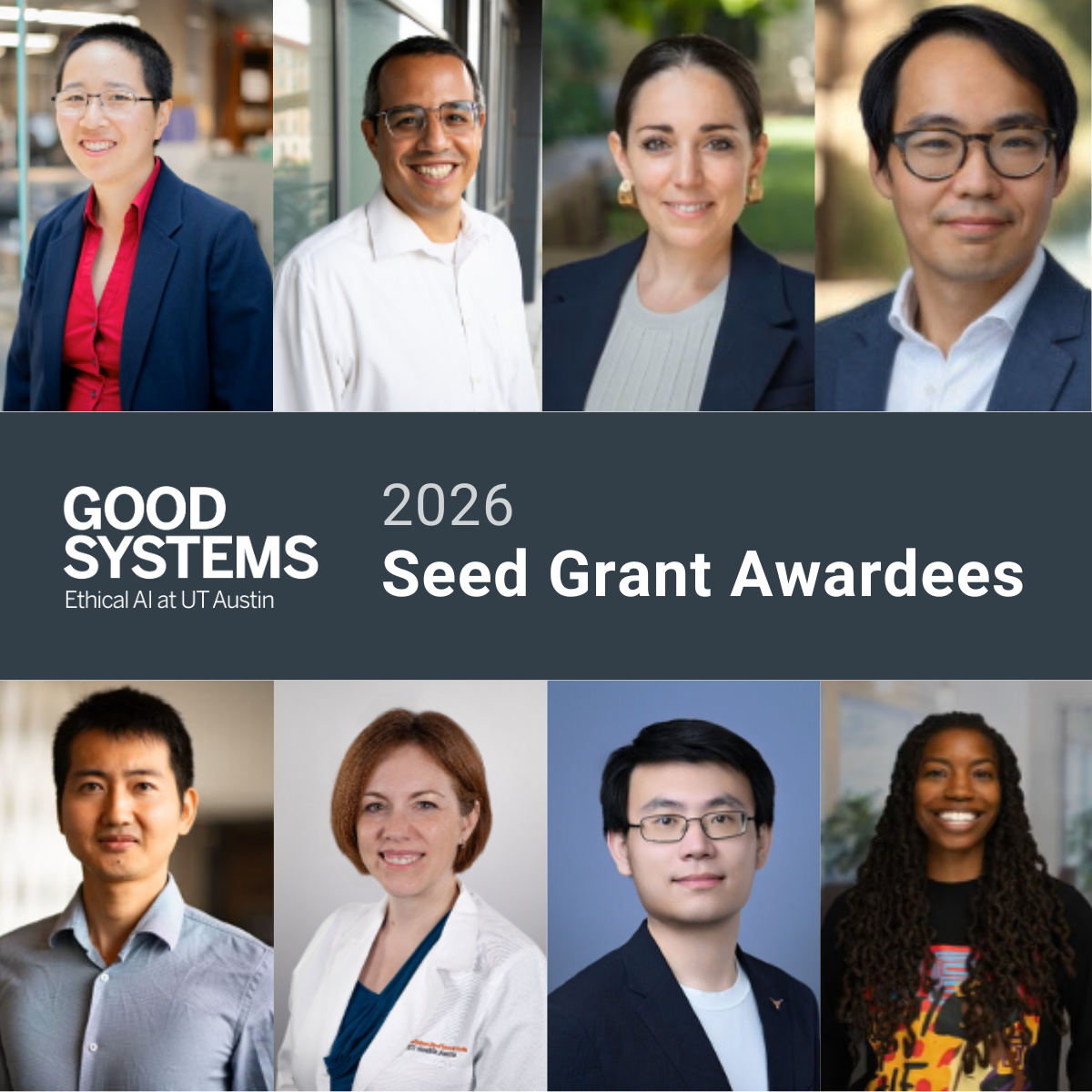
Head shots of the eight PIs from the six teams awarded Good Systems seed grants. Clockwise from upper left: Lillian Chin, Cockrell School of Engineering; Edward Castillo, Cockrell School of Engineering; Lidia Cano Pecharromán, School of Architecture; ChangHoon Hahn, College of Natural Sciences; Angela Smith, School of Information; Yuhao Kang, College of Liberal Arts; Lorie Harper, Dell Medical School; Zhaomiao Guo, Cockrell School of Engineering.

Good Systems has announced the recipients of its internal funding competition, awarding seed funding to interdisciplinary faculty teams whose projects explore how artificial intelligence can be designed in ways that better reflect human values and societal needs.

The selected projects bring together researchers from nine schools and colleges to define, evaluate and build AI-enabled systems that are fair, transparent, accountable and responsive to the communities they affect. 

Each project will receive up to $50,000 in seed funding for one year to catalyze interdisciplinary collaborations and position teams for future external support. 

“Good Systems created the seed grant program to expand the range of research on campus in the area of responsible AI,” said Good Systems Chair Ken Fleischmann, the interim dean-designate in the School of Information. “We were delighted to see so much interest in this call and so many outstanding proposals, and we are confident that the awardees will conduct research that aligns with the mission of Good Systems, to mobilize human-AI partnerships that address the needs and values of society.” 

In addition to leading research based on key questions at the intersection of AI and society, awardees will participate in a Good Systems community of practice, sharing progress and insights through cohort meetings, campus events and the grand challenge’s annual symposium. They will join Good Systems’ network of more than 100 researchers and two dozen partners in industry, government, nonprofits and universities across the U.S. committed to advancing interdisciplinary research in ethical AI. Teams are expected to pursue external funding opportunities that build on their seed-funded work.

Funded Projects

Addressing Maternity Care Deserts: Quantifying Multi-Level Health Care Access to Optimize Resource Allocation with AI
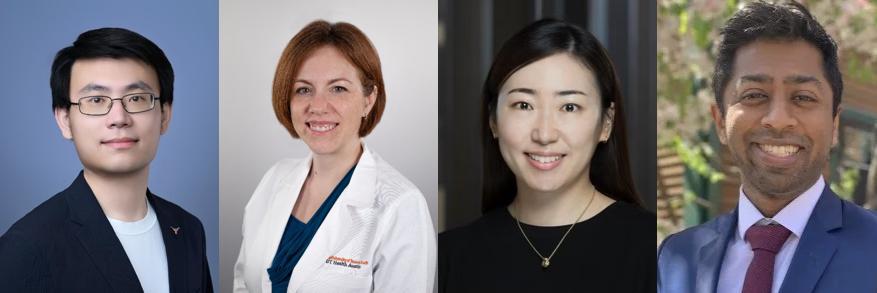
Headshots, left to right: Yuhao Kang (PI) — Assistant Professor, Department of Geography & the Environment, College of Liberal Arts; Lorie Harper (PI) — Professor, Department of Women’s Health, Dell Medical School;  Hyeun Ah Kang (Co-PI) — Assistant Professor of Health Outcomes, College of Pharmacy; Rajesh Reddy (Key Personnel) — Clinical Fellow, Maternal-Fetal Medicine, Dell Medical School
Left to right: Yuhao Kang (PI) — Assistant Professor, Department of Geography & the Environment, College of Liberal Arts; Lorie Harper (PI) — Professor, Department of Women’s Health, Dell Medical School;  Hyeun Ah Kang (Co-PI) — Assistant Professor of Health Outcomes, College of Pharmacy; Rajesh Reddy (Key Personnel) — Clinical Fellow, Maternal-Fetal Medicine, Dell Medical School

This project will develop a decision‑support tool that uses AI and GIS (geographic information system) to identify gaps in maternity care access in Texas. By integrating health, policy and geospatial data, the team seeks to better understand structural barriers to care and improve access to maternal healthcare across the state.

AI²: Ancestral Intelligence and Artificial Intelligence for Flood Mitigation
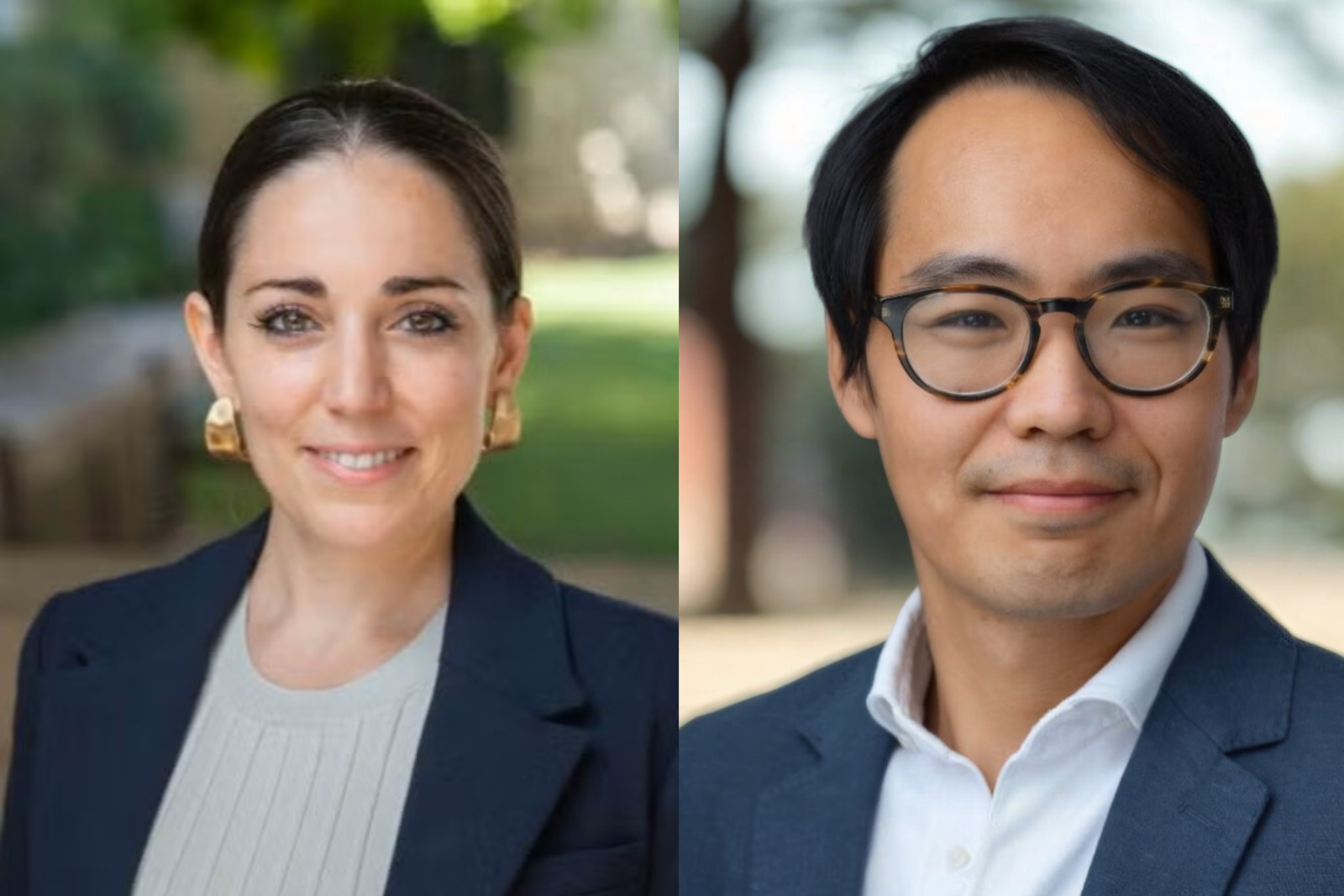
PIs: Lidia Cano Pecharromán (left) — Assistant Professor, School of Architecture; ChangHoon Hahn (right) — Assistant Professor, Department of Astronomy, College of Natural Sciences
Lidia Cano Pecharromán (PI) — Assistant Professor, School of Architecture; ChangHoon Hahn (PI) — Assistant Professor, Department of Astronomy, College of Natural Sciences

The AI² team will redesign an AI‑driven tool for flood evaluation so tribal nations can incorporate Indigenous worldviews and community‑focused measures of effectiveness into their flood‑mitigation programs.

Autonomous Vehicles and Artificial Intelligence for All (AVAIL)
Left to right: Zhaomiao Guo (PI) — Assistant Professor, Maseeh Department of Civil, Architectural and Environmental Engineering, Cockrell School of Engineering; Wen (Vivian) Ye (Co-PI) — Assistant Professor of Practice, School of Design and Creative Technologies, College of Fine Arts; Qixing Huang (Co-PI) — Associate Professor, Department of Computer Science, School of Natural Sciences
Left to right: Zhaomiao Guo (PI) — Assistant Professor, Maseeh Department of Civil, Architectural and Environmental Engineering, Cockrell School of Engineering; Wen (Vivian) Ye (Co-PI) — Assistant Professor of Practice, School of Design and Creative Technologies, College of Fine Arts; Qixing Huang (Co-PI) — Associate Professor, Department of Computer Science, School of Natural Sciences

AVAIL will develop an AI‑enabled mobility assistance system that improves safety and independence for blind and visually impaired persons interacting with autonomous vehicles.

Hack the Camp-us: Sociotechnical Interventions by and for People with Disabilities
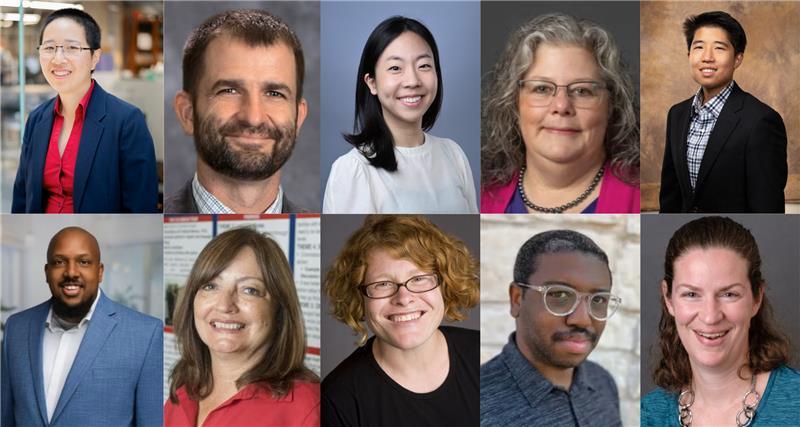
Clockwise, from top left: Lillian Chin (PI), Cockrell School of Engineering; Patrick Benfield (co-PI), College of Natural Sciences; Leah Chong (co-PI), Cockrell School of Engineering; Angela Standridge (Co-PI), School of Social Work; Jo Hsu (Co-PI), College of Liberal Arts; Emily Shryock (Co-PI), School of Social Work; DiMitri Higginbotham (Co-PI), College of Fine Arts; Alison Kafer (Co-PI), College of Liberal Arts; Sandy Magaña (Co-PI), School of Social Work; Earl Huff, Jr. (Co-PI), School of Information
Clockwise, from top left: Lillian Chin (PI) — Assistant Professor, Chandra Department of Electrical and Computer Engineering, Cockrell School of Engineering; Patrick Benfield (Co-PI) — Assistant Professor of Practice, College of Natural Sciences; Leah Chong (Co-PI) — Assistant Professor, Walker Department of Mechanical Engineering, Cockrell School of Engineering; Angela Standridge (Co-PI) — Director, Texas Technology Access Program, School of Social Work; Jo Hsu (Co-PI), Associate Professor, Department of Rhetoric and Writing, College of Liberal Arts; Emily Shryock (Co-PI) — Director, Disability Cultural Center, School of Social Work; DiMitri Higginbotham (Co-PI) — Assistant Professor of Practice, School of Design and Creative Technologies, College of Fine Arts; Alison Kafer (Co-PI) — Associate Professor, Department of Women's, Gender and Sexuality Studies, College of Liberal Arts; Sandy Magaña (Co-PI) — Professor, School of Social Work; Earl Huff, Jr. (Co-PI) — Assistant Professor, School of Information

This team will utilize community-driven design to create AI-enabled interventions that address long-term infrastructural barriers for people with disabilities at UT.

Knowledge-Informed Multimodal Responsible AI for COPD
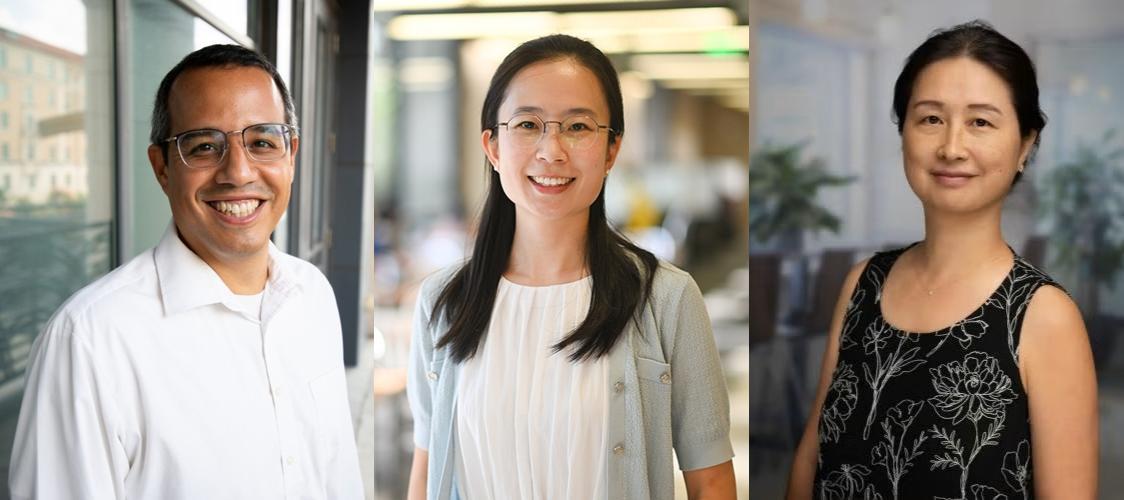
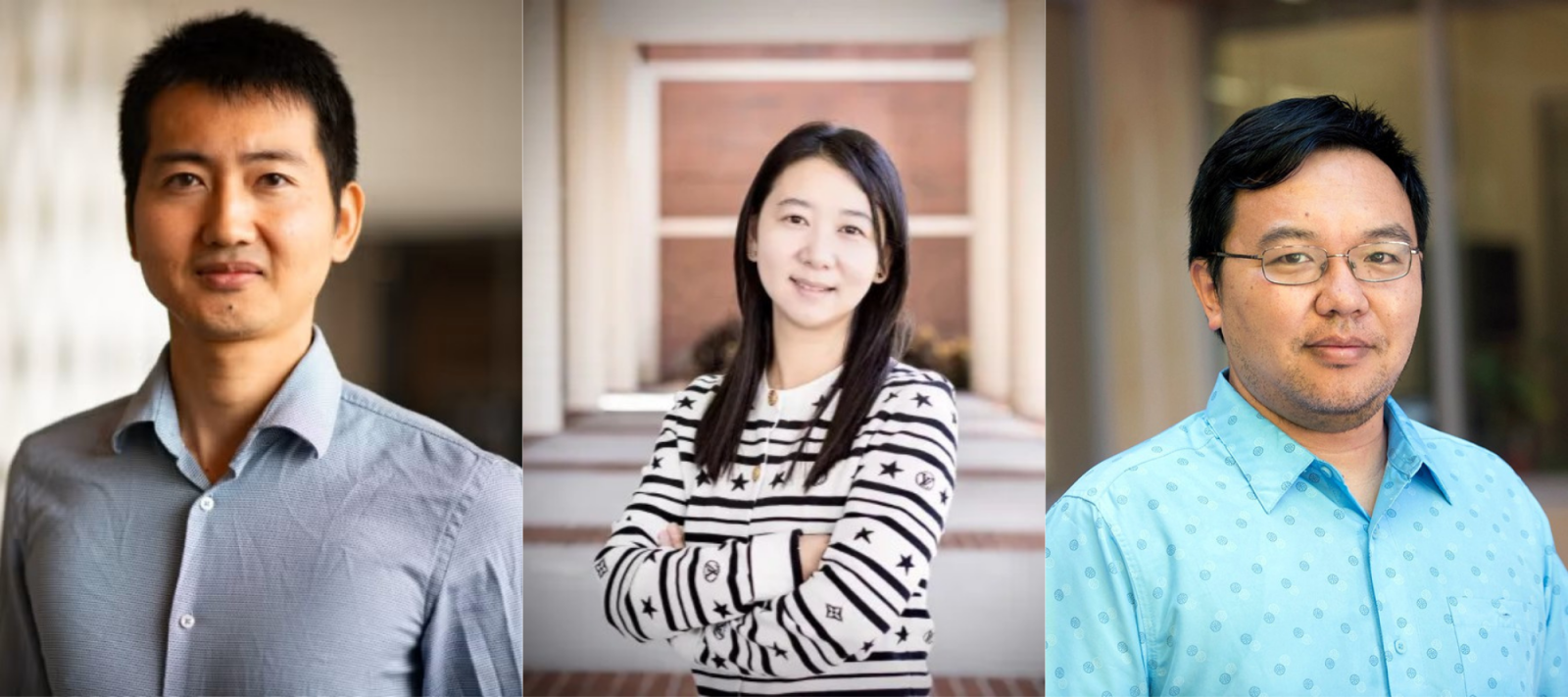
Left to right: Edward Castillo (PI) — Associate Professor, Biomedical Engineering, Cockrell School of Engineering; Hairong Wang (Co-PI) — Assistant Professor, Walker Department of Mechanical Engineering, Cockrell School of Engineering; Ying Ding (Co-PI) — Professor, School of Information
Left to right: Edward Castillo (PI) — Associate Professor, Biomedical Engineering, Cockrell School of Engineering; Hairong Wang (Co-PI) — Assistant Professor, Walker Department of Mechanical Engineering, Cockrell School of Engineering; Ying Ding (Co-PI) — Professor, School of Information

This team seeks to develop an AI framework that can improve chronic obstructive pulmonary disease (COPD) while reducing the “black-box” opacity of current models to ensure clinical decisions are more transparent, trustworthy and patient-centered.

Youth Perspectives on Text-to-Image AI: Co-Designing Ethical Generative AI for K–12 Students
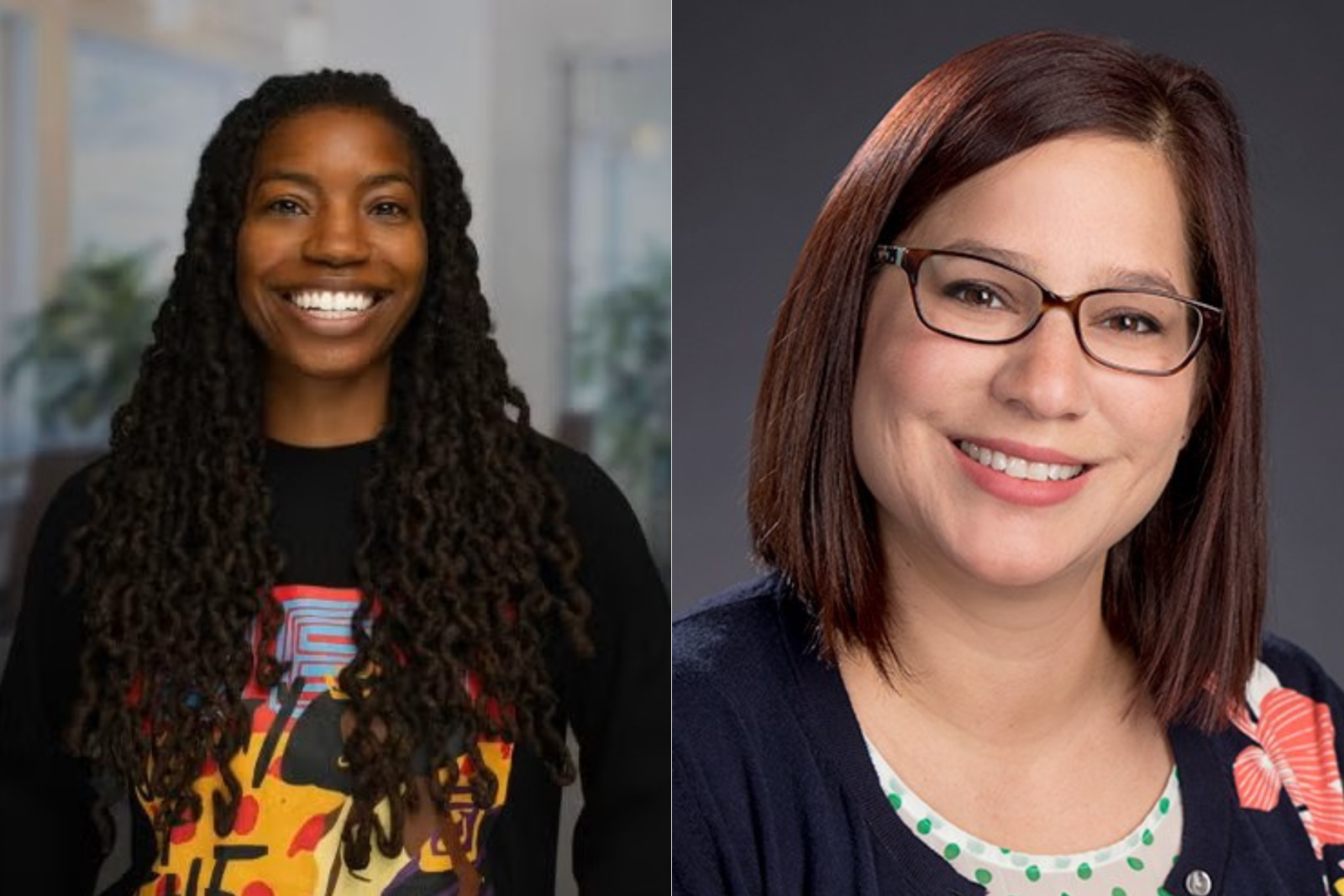
Angela Smith (PI) — Assistant Professor, School of Information; Patricia Abril-Gonzalez (Co-PI) — Assistant Professor, Department of Curriculum and Instruction, College of Education
Angela Smith (PI) — Assistant Professor, School of Information; Patricia Abril-Gonzalez (Co-PI) — Assistant Professor, Department of Curriculum and Instruction, College of Education

This project centers the perspectives of young people in the development and evaluation of generative AI tools. Through participatory work with K–12 students, the team will generate youth-driven recommendations for more ethical AI development.

Grand Challenge:
Good Systems