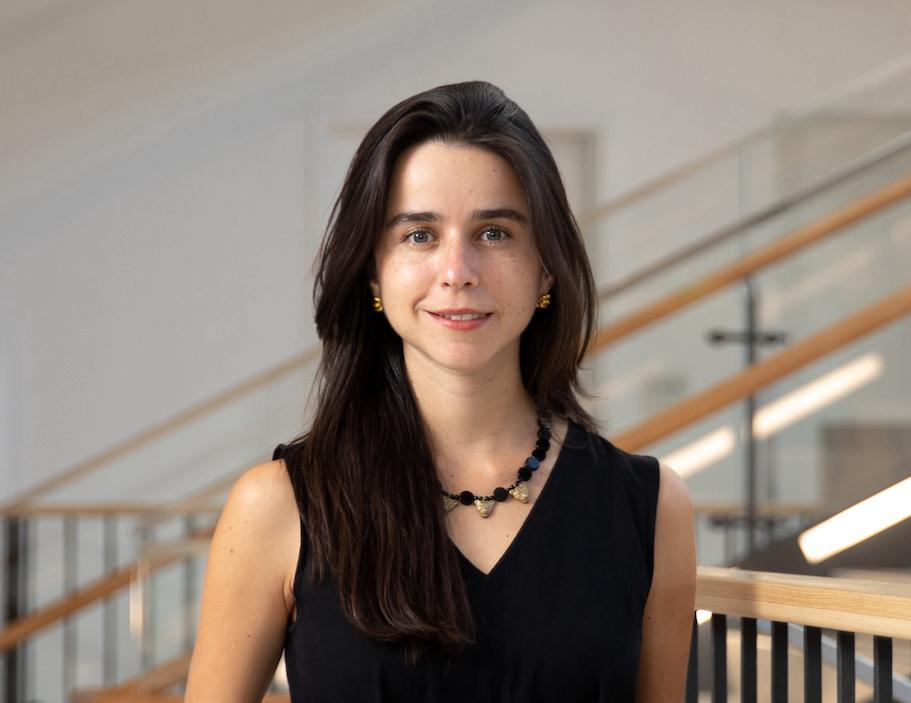
In 2021, the University of Texas at Austin Civil, Architectural and Environmental Engineering Professor Fernanda Leite published a paper in an academic journal showing the benefits of virtual reality to construction engineers.
Data and integrated technologies can transform cities. Sensors and artificial intelligence can assist people crossing busy streets, provide broadband access at bus stops, or use drones that use AI to help fight fires.
Good Systems announces three summer research opportunities to help advance its mission to design ethical AI technologies to benefit society. Learn more about Faculty Fellowships, Graduate Student Fellowships, and Undergraduate Research Experiences.
The productive working relationship between the University of Texas and the City of Austin can serve as a framework for other governments interested in improving their communities with technology.
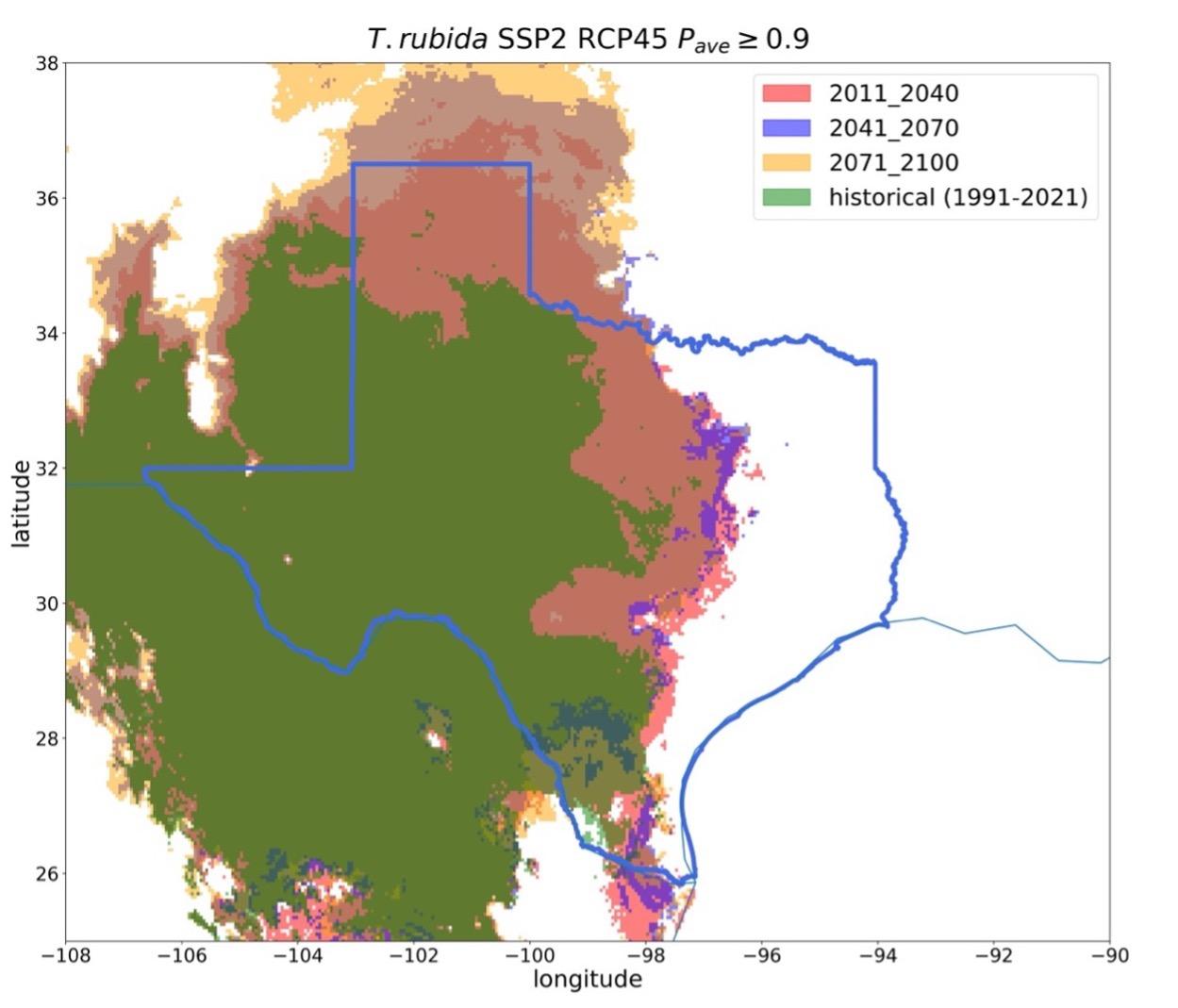
Jackson School of Geosciences Professor Dev Niyogi and their team used computer models to investigate how cities and climate change influenced the rainstorm that struck the Rotterdam-Brussels-Cologne metropolitan region in July 2021.
With renewed funding, UT researchers are resuming testing for COVID-19 in Austin's wastewater. Cockrell School of Engineering Professor and Whole Communities–Whole Health Mary Jo Kirisits talked to KXAN News about their findings so far.
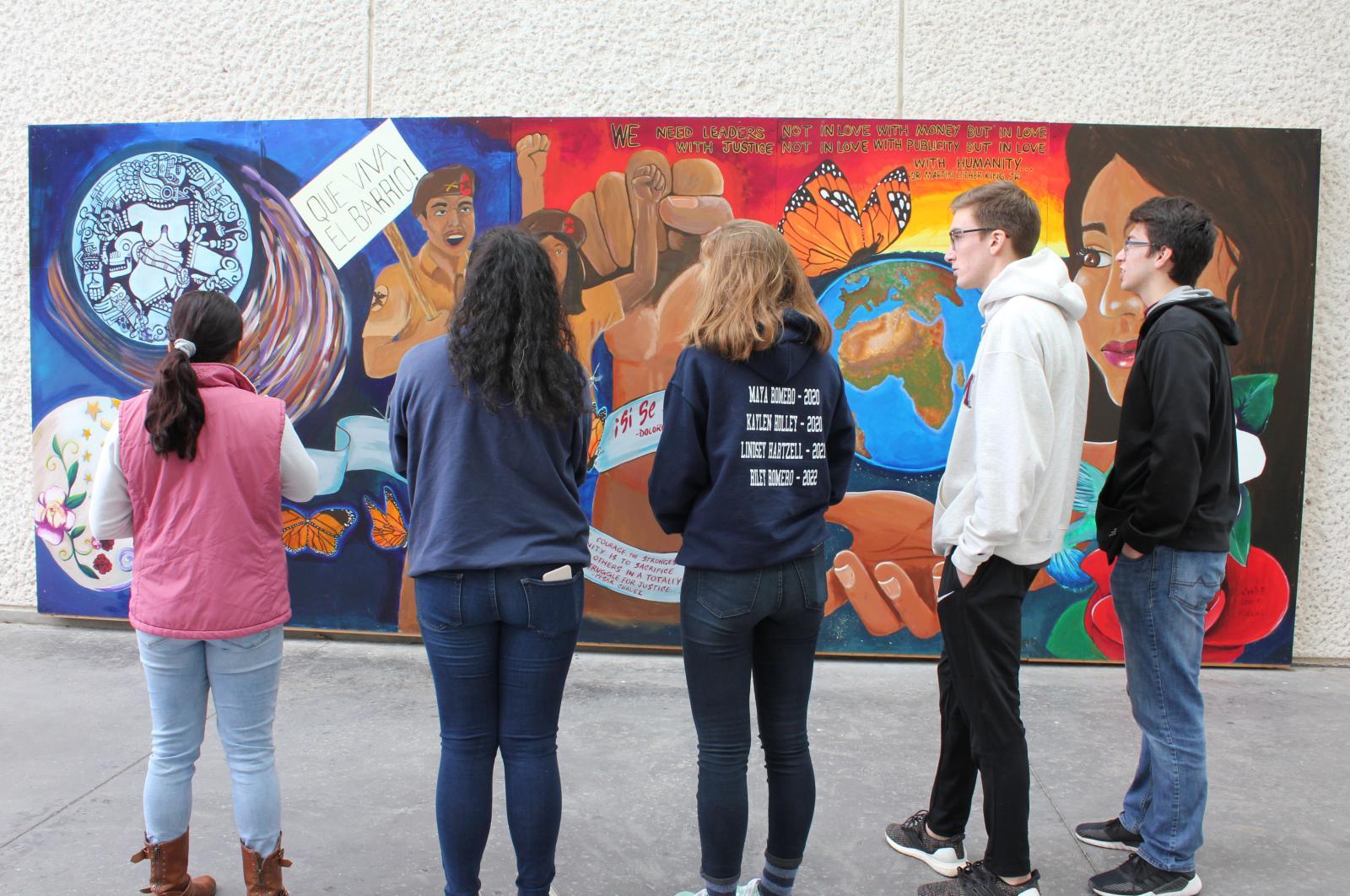
One of the key parts of the Whole Communities–Whole Health study is its commitment to providing actionable data to participants so they and other community organizations can make changes that support better overall health.
Civil, Architectural, and Environmental Engineering Associate Professor Fernanda Leite argue for reductions in emissions and a statewide climate adaptation plan in an opinion piece for the Austin American-Statesman.
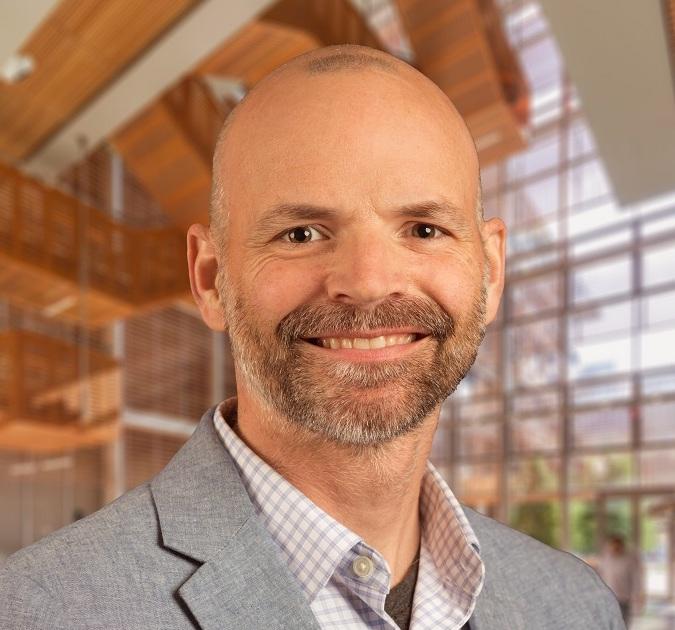
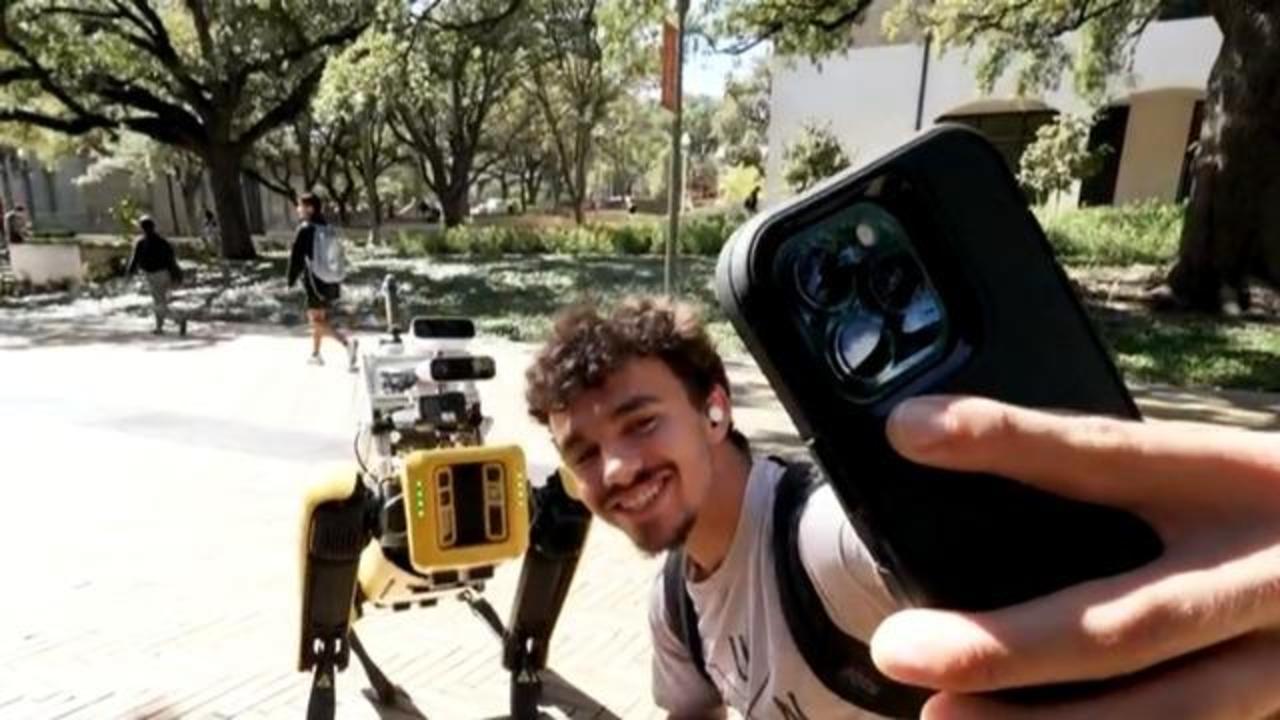
Computer Science Professor Peter Stone and School of Information Assistant Professor Elliott Hauser share about their new Good Systems project "Living and Working with Robots" and why it's important to design robotic technology in the real world.