University researchers partnered with the Austin Fire Department to strengthen responses to fires and analyze the smoke’s environmental impact in various communities to instill a proper plan for communities at risk of unhealthy air quality.
UT announced the launch of the Master of Science in Artificial Intelligence online graduate program on Jan. 26. The school will begin accepting applications on June 1 and will host its first class in spring 2024.
Just as artificial intelligence (AI) and machine learning emerge as the fastest-growing in-demand skill sets in the global workforce, The University of Texas at Austin is establishing a new online master’s program in AI with the potential to bring thousands of new students into the field.
Beginning in the 2023-2024 academic year, the Graduate Portfolio Program in Ethical AI will focus on the ethical implications posed by AI-based technologies, as well as how innovation in AI is driven by societal forces.
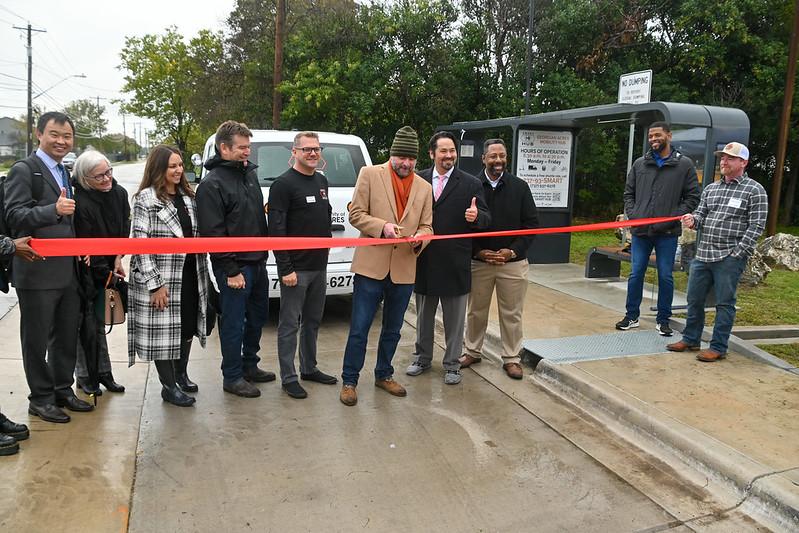
A new mobility hub in the Georgian Acres neighborhood in north Austin is providing much-needed transportation services to a community living in a ‘transit desert’ and may serve as a useful blueprint for urban areas across the United States in need of similar essential services.
Researchers with the University of Texas announced a new project earlier this month that will hopefully provide valuable data to the community: the Climate Atlas. The interactive map, funded by a grant from NASA, will highlight the neighborhoods in Austin being impacted by climate change.
From “fake news” screenshots to conspiratorial claims, the lead up to the 2022 Midterm elections has shown that misinformation remains a problem in public discourse. This is especially harmful for minority groups and underrepresented populations, as they tend to be the target of misinformation-motivated vitriol.
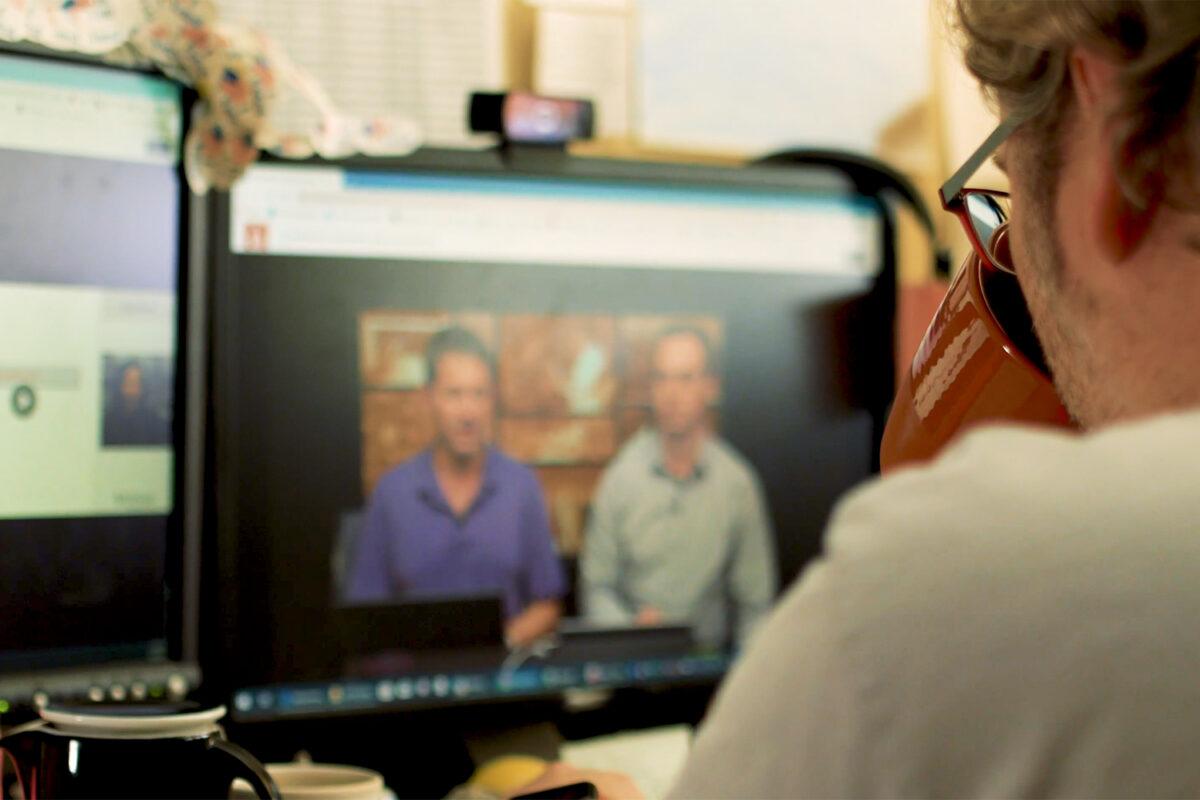
Good Systems Researchers and Partners Explore Issues of Bias, Fairness, and Justice and Examine Challenges and Opportunities for Fact Checkers at the Inaugural Disinformation Day Conference.
Providing solutions for Austin communities that might be at the highest risk for climate-related hazards will be the focus of a new NASA-funded study at The University of Texas at Austin.
Since its launch, Planet Texas has been working with artists and creatives who have taken the experiences of climate change and turned them into digital artwork, photographs, dance performances, and more.