
Community Strategy Team & Liaison Spotlights
Meet the Heart of Whole Communities–Whole Health: Our Community Strategy Team and Community Liaisons
Our Community Strategy Team (CST) and Community Liaisons play a pivotal role in every step of our work. CST members help us create and nurture the relationships that make it possible to reach, recruit and support families in the communities where we work. These dedicated individuals are the bridge between researchers and community members, ensuring our research is relevant, respectful and rooted in real needs.
Community Liaisons participate in WCWH workgroups, where they work directly with staff and Steering Committee members to develop a participant-facing data-return infrastructure and supporting participant retention and data analysis.
Explore the profiles below to learn more about the remarkable people guiding Whole Communities–Whole Health and discover how we’re working together to transform public health research.
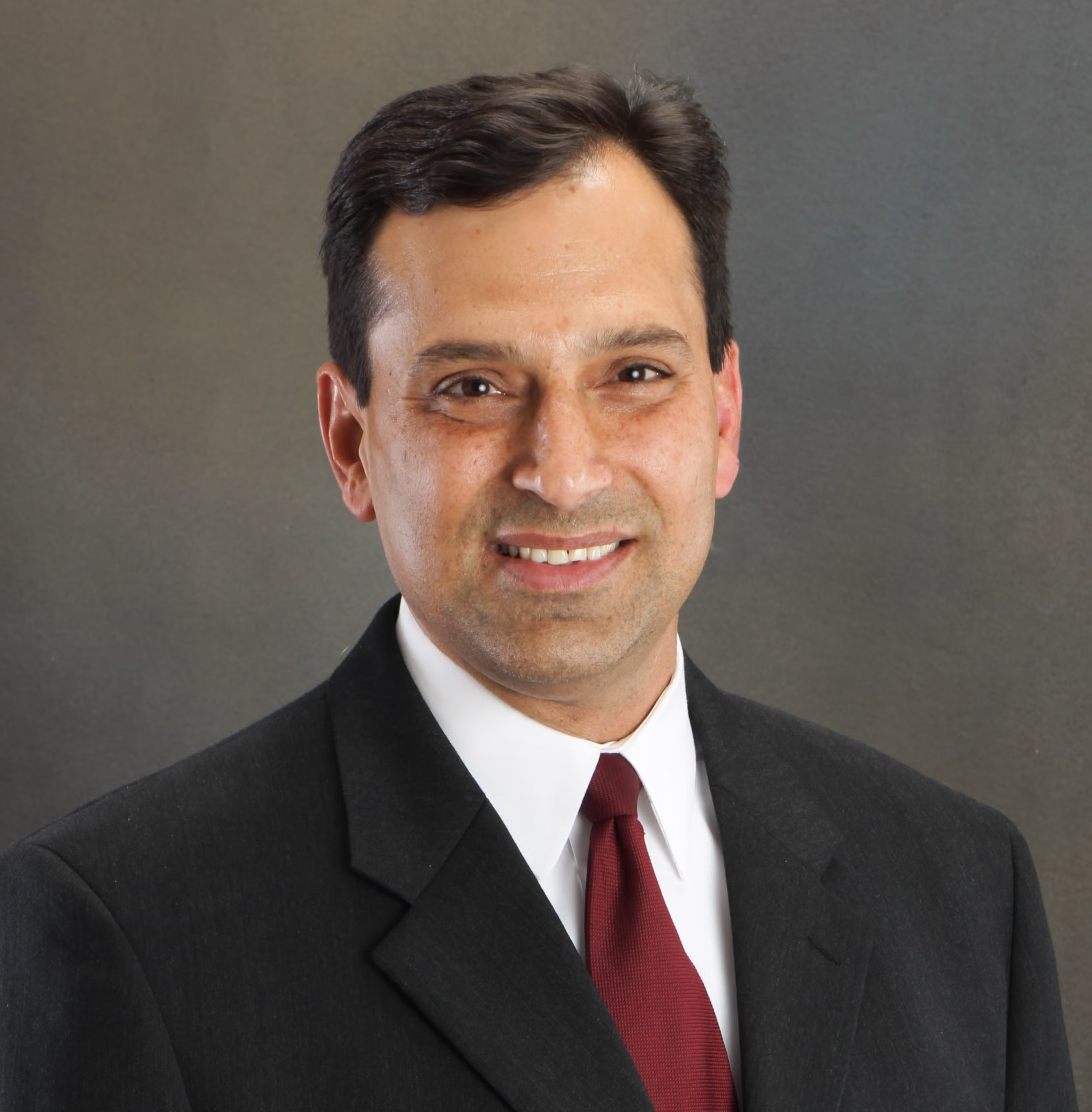
Raul Álvarez
Executive Director, Community Advancement Network
Community Liaison
Linda Billela-Riojas
Del Valle Community Member
Community Liaison
Raul Álvarez
Raul serves as a community liaison with the WCWH Data Return workgroup, helping ensure research insights are shared clearly with participants and the broader community.
Why did you join WCWH?
I joined WCWH because I appreciate the holistic approach the initiative uses in assessing wellness. I also appreciate that WCWH is utilizing innovative tools for the assessment and engagement of study participants. If we want different and better results to persistent challenges, then we must try new strategies and develop new tools.
What does community mean to you?
A community is an entity comprised of people and organizations with diverse needs and interests whose common aim is the well-being of all individuals who are part of that community.
What is something you’re proud of about your work in the community?
CAN recently published a mental health toolkit for Spanish speakers called Pathways for Mental Healing. We have used it to help members of the Latinx community better understand how to improve their mental health and wellness using community resources as well as strategies for self-help. We hope to continue engaging this community and others around this very important issue.
What is something you’ve learned or appreciated about being part of the CST?
I appreciate the variety of perspectives that workgroup participants and community liaisons bring to the process. I also appreciate that we frequently share the results of our work with study participants and ask for their feedback. Research projects are not always designed in a way that allows for meaningful two-way communication.
Linda Billela-Riojas
Linda has been part of the WCWH Community Strategy Team for three years, bringing a strong background in community service and supporting students and families in Southeast Austin.
Why did you join WCWH?
I joined WCWH three years ago to make a difference behind the scenes. This organization helps the community by researching water supply and air quality in homes, providing resources and connections, and addressing current issues important to the communities we serve.
What does community mean to you?
Community represents a sense of family. It shows that shared experiences and mutual support can create familial bonds, regardless of biological connections. As individuals learn and grow together, community can foster success and contribute to making a positive impact.
What is something you’re proud of about your work in the community?
I am proud of organizing Community Research Day, where we connect people with resources, offer important sessions and enjoy getting to know members of our community.
What is something you’ve learned or appreciated about being part of the CST?
Being part of the CST has taught me to use my voice effectively and has given me an extended family. Although it’s sad that it has ended, I learned that making a difference doesn’t require being a big shot — being myself is enough. I’m grateful for the courage and support from the other CST members.
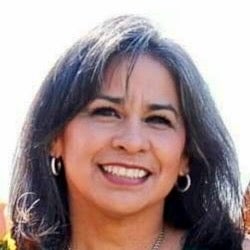
Rebecca Gomez
Parent Community Liaison, John P. Ojeda Middle School
Community Liaison
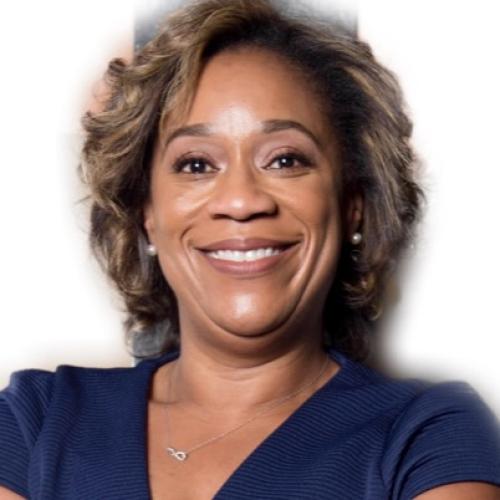
Mia Greer
CEO, Community Coalition for Health
Community Strategy Team Member
Rebecca Gomez
Rebecca Gomez serves as a Parent Community Liaison at John P. Ojeda Middle School in the Del Valle Independent School District, connecting families with resources and helping strengthen relationships between students, parents and the broader community.
Why did you join WCWH?
WCWH was introduced to me about six years ago when they were looking for community members to help connect families with the study and upcoming research on the environment, air quality and other topics. It was important for me to learn more about this work for the families I serve in my daily role.
I wanted families to recognize a familiar face and feel a sense of trust when approached by someone connected to WCWH. Learning about the research also made me curious about how environmental factors can affect children and their households. I wanted to be part of helping the community understand and connect with that work.
What does community mean to you?
Community means many things to me. It brings back memories of how I grew up and makes me think about how children are growing up today. It’s recognizing familiar faces wherever you go and having someone stop to say hello.
Working in a school environment is a strong community connection. Students often grow up alongside the same classmates from middle school through graduation. Parents also begin to connect through their children’s activities — sports, band, theatre and more. Sometimes families meet for the first time because their child introduces a friend, and suddenly a new connection in the community is formed.
What is something you’re proud of about your work in the community?
I’m proud of the opportunity to connect families with resources and organizations that can support them. One of the most meaningful moments for me is when former students return during their senior year to visit the school and thank the teachers who made a difference for them.
Seeing a student in their cap and gown, ready to graduate and receive their diploma, is one of the greatest gifts a teacher and school community can experience.
What is something you’ve learned or appreciated about being part of the CST?
I truly appreciate the friendships I’ve made through the CST. I’ve also enjoyed learning more about research and how tools are developed to collect and share information with the community.
One thing I appreciate is that researchers were able to get to know families and better understand the people and environments they are studying. That connection helps make the research more meaningful for everyone involved.
Mia Greer
CEO, Community Coalition for Health
Mia Greer, BSN, is a registered nurse and CEO of the Community Coalition for Health (C2H). As a longtime CST member and co-chair, she brings decades of healthcare experience and a deep commitment to connecting institutions with the communities they serve.
Why did you join WCWH?
I was interested in whether I could play a role in connecting the University of Texas to the community. I wanted the communities I serve to understand that the university belongs to them as well. I also wanted to ensure the research done in the community reflects the voices and experiences of the people who live there.
What does community mean to you?
Community is a safe and trusted place where you can live, love, laugh and play. It is a space that allows you to do those things freely and with support. A community supports one another like family.
What is something you’re proud of about your work in the community?
Over the last 12 years through the Community Coalition for Health (C2H), I have played a role in empowering individuals and families — especially those affected by chronic conditions like diabetes — to lead healthier, more intentional lives. We do this by providing tools, information and support that foster well-being and resilience.
I’ve also seen how powerful community can be. Strong networks of relationships and shared responsibilities create opportunities for open dialogue and collaboration, ensuring that knowledge, resources and support are available to those who need them most.
What is something you’ve learned or appreciated about being part of the CST?
I have learned how an institution can change its way of thinking and operating. In many cases, larger institutions may not fully listen to the community. However, UT has allowed community voices to be heard and has made changes based on what they have heard. CST has shown that this kind of collaboration can be done — and done well.
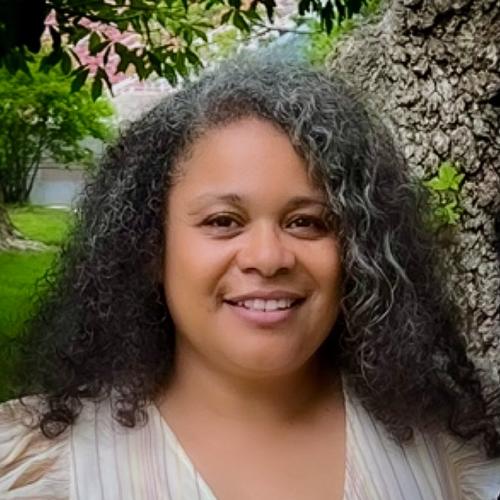
Araceli McBeth
Parent Community Liaison, Newton Collins Elementary School
Community Strategy Team Member
Carol Lilly
Founder and President/Chair, Boomers Collaborative Foundation
Community Liaison
Araceli McBeth
As a Parent Community Liaison at Newton Collins Elementary School in Del Valle ISD, Araceli McBeth is dedicated to supporting families and students in her community. She is now starting her second year as a Community Strategy Team member and will join the Recruitment & Retention workgroup.
Why did you join WCWH?
I joined WCWH after learning about the cohort study. I wanted to know more about the cohort study, and what better way to know more than to join WCWH!
What does community mean to you?
Community means joining forces with those around me for the greater good of our area. We bring our experience, skillset, talent, resources and willpower together to impact and bring change to the community.
What is something you’re proud of about your work in the community?
I am proud of the relationships that have been built and the connections made while working in the community.
What is something you’ve learned or appreciated about being part of the CST?
I have learned that I am not as much of an introvert as I thought! Being a part of the CST has helped me not shy away from sharing my thoughts and opinions, even if they are different from the thoughts and opinions of others on the team. I appreciate that we have a great respect for each other and value each other's thoughts.
Carol Lilly
Carol Lilly is the founder and President/Chair of the Boomers Collaborative Foundation, where her work focuses on improving the health and well-being of older adults in Austin. She has also been involved with WCWH since its early stages, serving on the inaugural Community Strategy Team and now as a Community Liaison.
Why did you join WCWH?
I joined WCWH because its mission resonated deeply with my own values, especially the belief that research should begin with and remain accountable to the people most affected by it. I wanted to contribute a grounded, community-centered perspective, and I saw WCWH as a model for how universities and communities can genuinely learn from one another.
What does community mean to you?
To me, community is the fabric that makes life meaningful — people showing up for one another, sharing wisdom and helping shape environments where everyone can thrive. Community is built through relationships, trust and a shared sense of responsibility for our collective well-being. This idea is central to my nonprofit work advocating for and supporting affordable housing cooperative development in Central Texas.
What is something you’re proud of about your work in the community?
I’m proud of helping open doors for older adults whose voices are often overlooked. Through my work with the Boomers Collaborative Foundation and with WCWH, I’ve tried to create space for experiences that don’t always make it into official narratives — whether about housing, health or aging. Seeing ideas take root and knowing they came from real community conversations means a great deal to me.
What is something you’ve learned or appreciated about being part of the CST?
Being part of the CST has taught me the value of steady, long-term collaboration. I’ve appreciated how the initiative invites us into the process not as subjects but as partners alongside researchers. It has shown me that when community voices are consistently included, the work becomes more grounded, more compassionate and ultimately more effective.
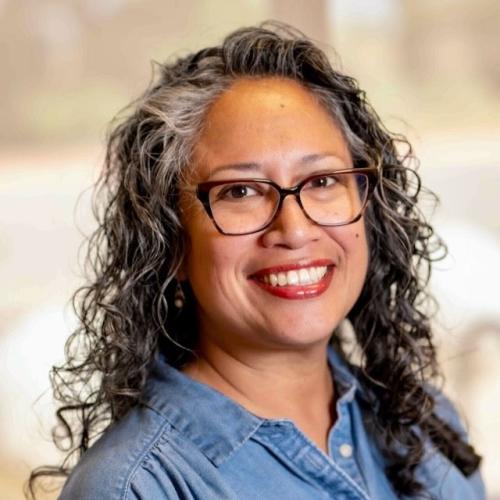
Isela Guerra
Sr. Community Engagement & Outreach Manager, Central Health
Community Strategy Team
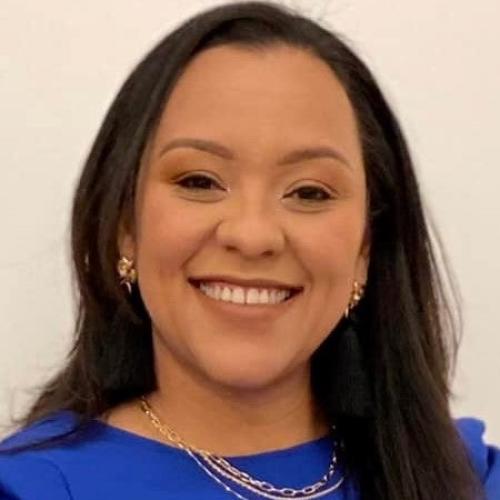
Zobeida Guerrero
Program Director, AVANCE
Community Strategy Team Member
Isela Guerra
Isela Guerra serves as Senior Manager of Community Engagement and Outreach at Central Health, with more than 17 years of experience working with communities across Travis County and helping keep community voices central to research and public health efforts.
Why did you join WCWH?
I joined not entirely sure of what to expect, but I hoped my experience working with the community, especially in the Eastern Crescent of Travis County, could be helpful. I also saw it as an opportunity to be part of a process that transforms “research subjects” into partners so that solutions can be developed together.
What does community mean to you?
For me, community is something built with purpose. It’s nurtured and protected, and it’s not simply defined by proximity but by shared responsibility and shared possibility. Community is made up of people who celebrate your joys as if they were their own and sit beside you when things feel heavy.
What is something you’re proud of about your work in the community?
One thing I’m proud of in my work is helping create spaces where people feel truly welcomed and heard. When the work reflects what the community asked for, and not what we assumed they needed, that to me is a true success.
What is something you’ve learned or appreciated about being part of the CST?
I’ve learned that there is a desire to study and learn on both sides of this research initiative. I greatly appreciate the level of collaboration and responsiveness I’ve experienced from the research team. With the CST and the university working together, I believe participants’ information is secure and will be used for the good of their communities.
Zobeida Guerrero
Zobeida Guerrero serves as Program Director at AVANCE-Austin, overseeing initiatives focused on early childhood education, parent engagement and workforce development, with more than 20 years of experience in education and community empowerment.
Why did you join WCWH?
Being part of the CST has been a valuable opportunity to deepen my connection with the community we serve at AVANCE. It has also been a powerful learning experience. Through this involvement, I’ve gained a new perspective on how communities can benefit from studying and understanding their own environments. CST has played a key role in uplifting community voices and ensuring they are represented in meaningful ways. I believe this kind of collaborative, community-centered research can drive real change and help create more equitable and responsive programs.
What does community mean to you?
For me, community is the environment where we come together, connect with one another and feel a sense of belonging. It’s where I see myself reflected in others and where I feel seen, heard and valued. Community is built through shared experiences, mutual respect and a collective commitment to support and uplift one another. At its core, community is a support system — a group of people who offer strength, understanding and encouragement, especially in times of challenge and change. It’s in these spaces that true connection and transformation happen.
What is something you’re proud of about your work in the community?
I am deeply proud to learn from the communities we serve, as they continue to guide and shape my work. Their voices, experiences and resilience are at the heart of everything I do. At AVANCE, we have developed programs that continue to grow and reach more families each year. Many of these families express appreciation not only for the services we provide but for the sense of community that is built through our work together.
What is something you’ve learned or appreciated about being part of the CST?
It has been truly meaningful to connect with so many individuals and organizations that are committed to the common good. Building these relationships has shown me the power of collective action and the strength that comes from collaboration.
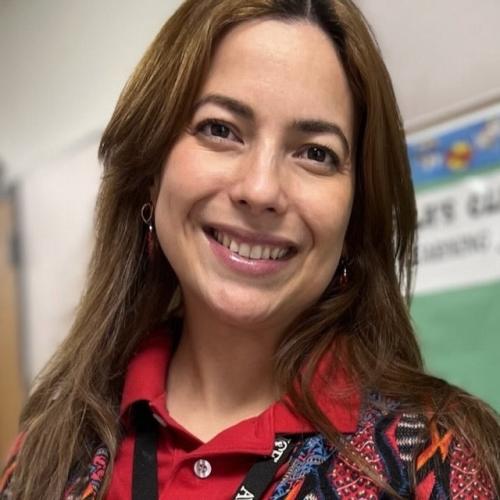
Juliana Rodriguez
Program Coordinator, AVANCE
Community Strategy Team Member
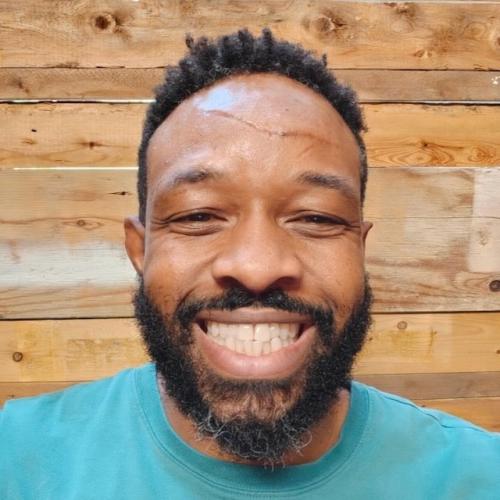
Roy Woody
Member and Former Board Member, Del Valle Community Coalition
Community Strategy Team Member
Juliana Rodriguez
Juliana Rodriguez has a background rooted in education, creativity and community service. She has dedicated her career to supporting young children and families as the program coordinator at AVANCE Austin North.
Why did you join WCWH?
I’m passionate about creating environments where individuals and families can thrive. With my experience, I’ve seen how impactful a strong community can be by transforming lives. Joining this team allows me to contribute to a larger vision while continuing to grow professionally.
What does community mean to you?
Community means support, connection and teamwork. It’s about working together toward common goals with empathy and respect, where everyone feels supported, valued, seen and heard.
What is something you’re proud of about your work in the community?
One thing I’m truly proud of is the meaningful impact I’ve made by empowering families through education and creative initiatives. At AVANCE, I’ve had the privilege of wearing many hats — each role has allowed me to connect with families on a deeper level. Seeing parents gain the skills to support their children’s development and witnessing the joy it brought to their families has been incredibly rewarding.
I’m also proud of my ability to build trusting relationships within the community. Knowing that my efforts contribute to stronger families and a more connected community gives me a deep sense of purpose and fulfillment.
What is something you’ve learned or appreciated about being part of the CST?
Being part of the CST and serving as a community liaison has taught me the power of listening and collaboration. I’ve also appreciated the importance of being respectful and the importance of teamwork. Communities are dynamic and often require innovative approaches. Working with the CST has shown me how to adapt, bring diverse perspectives together, and harness collective strengths to drive meaningful change.
Lastly, I’ve learned that success in community work isn’t about individual effort — it’s about fostering partnerships and empowering others to be leaders in their own lives and neighborhoods.
Roy Woody
Roy Woody is an active member and former board member of Del Valle Community Coalition (DVCC), an Austin-based nonprofit fostering civic engagement to advance human and civil rights.
Why did you join WCWH?
WCWH was recommended to me by members of the Del Valle Community Coalition and a former CST member. I wanted to see how I could continue to serve my community with a group who I have seen really cares about the Del Valle Community.
What does community mean to you?
To me community is coming together with everyone offering a piece of what they have to offer to push for a common goal or outcome. That doesn't always have to be monetarily or with tangible items. It can be advice, encouragement or a show of appreciation. I also think it's important to break bread with your community.
What is something you’re proud of about your work in the community?
I like to think about our evolution years ago to push to keep Sendero as an [insurance] option and to add health facilities in the Del Valle area. It's good to see clinics finally opening to serve the community where they live. We still have a long way to go, though, for full-service hospitals.
What is something you’ve learned or appreciated about being part of the CST?
I appreciate how encouraging everyone is. The group allows everyone's input, and I think that is important for a healthy organization.
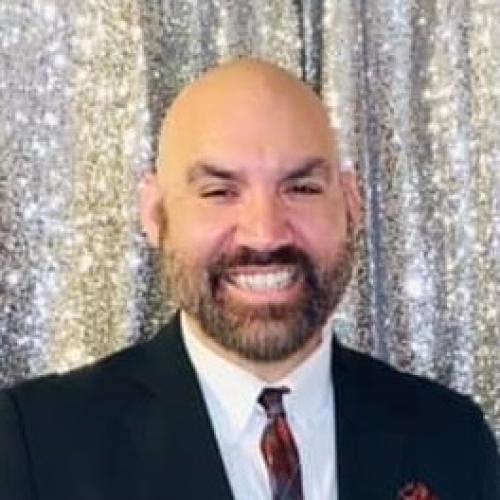
Ricardo Zavala
President, Dove Springs Proud
Community Strategy Team Member
Ricardo Zavala
Ricardo Zavala, MPA, was born in Austin, raised in Dove Springs and lives in Austin’s Colony, in East Austin. He is the president of Dove Springs Proud (DSP), a non-partisan, Christian volunteer civic group based in southeast Austin.
Why did you join WCWH?
I was raised and currently live in the area [where WCWH’s cohort study takes place]. I have type-2 diabetes, my son is a cancer survivor and health is very important for me and my family.
What does community mean to you?
Community means a group of people who care about their surroundings enough to work together to make it better.
What is something you’re proud of about your work in the community?
DSP has served 9,401 people from 78744 and given out 104 college scholarships in 12 years.
What is something you’ve learned or appreciated about being part of the CST?
I've appreciated learning about all the parts of the research area, meeting the UT professors who care and the WCWH staff who are doing the work to ensure the participants are getting results and the care they need.