
A Year After the Deadly Fourth of July Floods, a UT Team is Racing to Learn How People Decide Whether to Run — and Why So Many Never Got the Chance
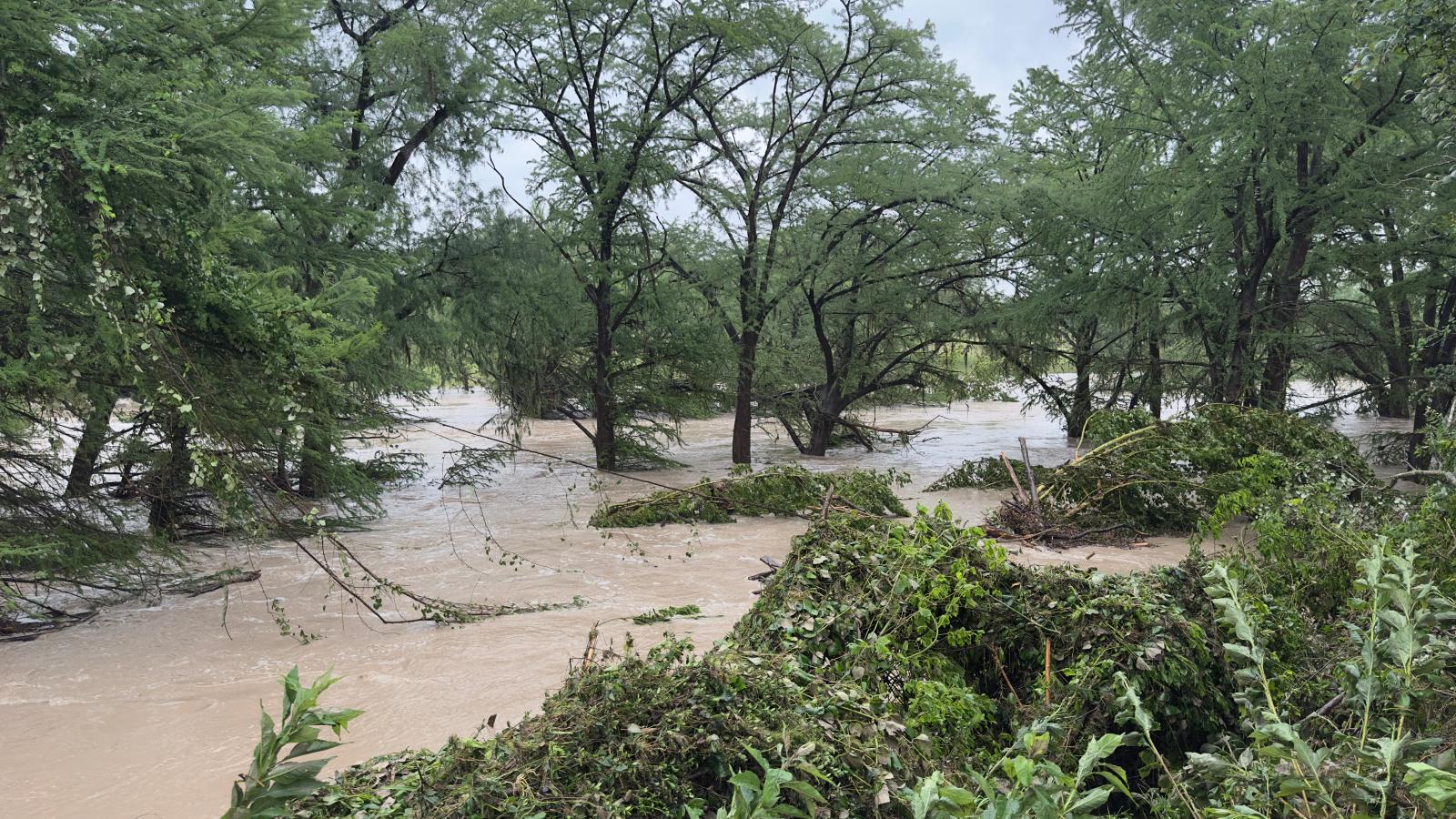
It’s been nearly a year, and Central Texans still carry that night. The stories have settled into the region’s collective memory: children clinging to tree limbs in the dark; cabins torn from their foundations and carried downstream; a man perched for hours atop a meter box, his hands inches from live electrical wires; survivors hoisted to safety on ropes of knotted bedsheets; century-old cypress trees ripped up by their roots from the banks of the Guadalupe.
In the early hours of July 4, the river rose 26 feet in 45 minutes and tore through the Texas Hill Country while most people slept. By the time the water calmed, the flood had become one of the region’s defining tragedies, leaving behind losses still felt in families, camps and communities across the Hill Country.
A year later, the river runs quiet again. But for one interdisciplinary research team from The University of Texas at Austin, the work of understanding that night has only just begun.
The Human in the Loop
For Karolyn Andrews, a psychologist at Schreiner University in Kerrville, the pull was immediate. She was finishing a five-year Department of Education grant when the flood tore through her region, and she couldn’t shake the harrowing stories from that tragic night. “I was just completely drawn into this work,” she said.
What she kept noticing was an absence. The people who design flood-warning systems — engineers, agencies, first responders — were brilliant at the technical layer and largely silent on the one variable that decides whether any of it works. “What’s missing,” Andrews said, “is the human in the loop.”
After reading an article about UT’s Suzanne Pierce, a research scientist at the Texas Advanced Computing Center, Andrews reached out, and one introduction led to another until she was working alongside Pierce and two other UT researchers: Keri Stephens, a communication professor and co-director of the Technology and Information Policy Institute at the Moody College of Communication, and Kasey Faust, an associate professor of civil engineering at the Cockrell School of Engineering. The foursome’s shared conviction: a flood alert is not an engineering problem with a communications footnote. It is a human problem, all the way down.
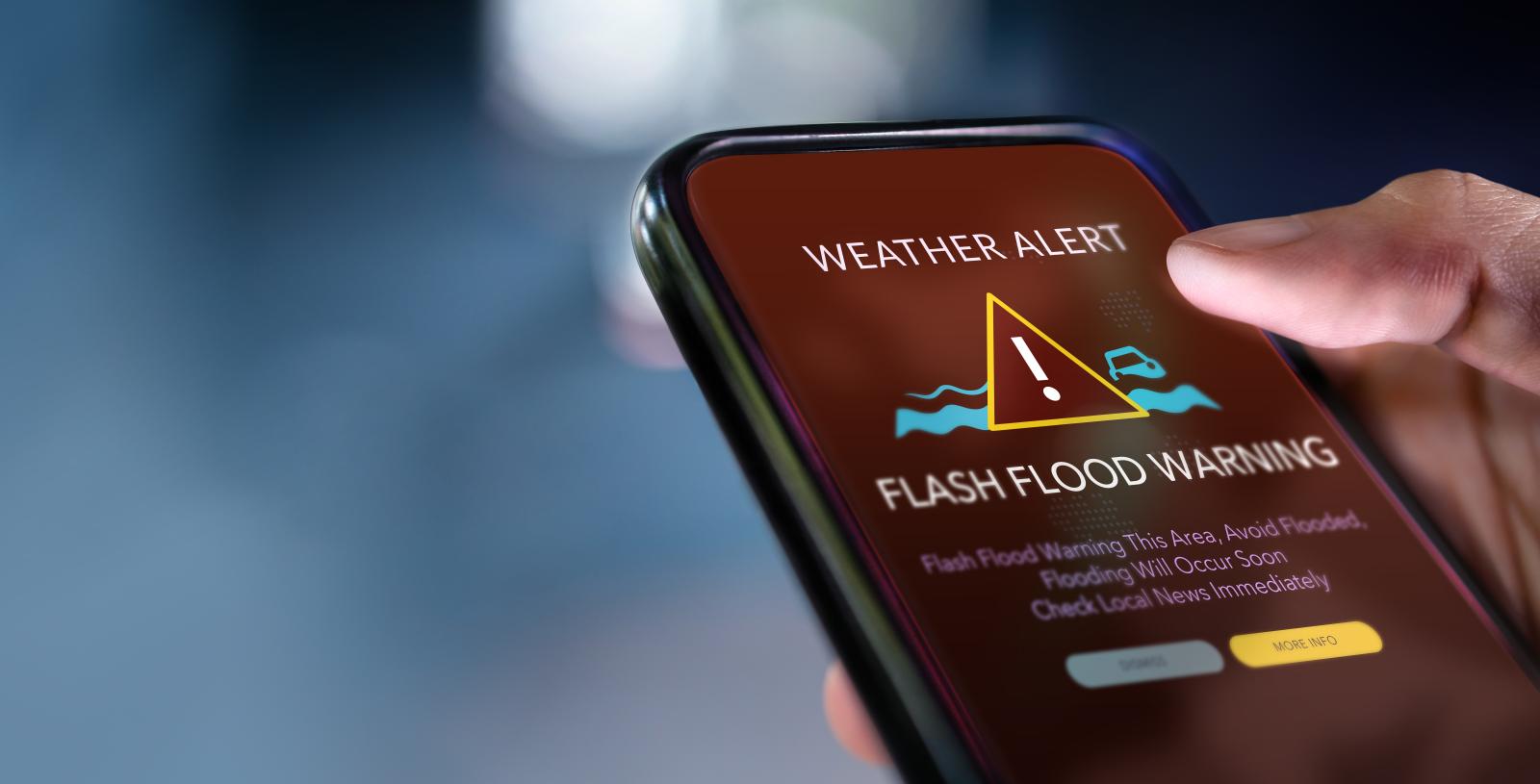
Andrews’ concern is what stress does to a brain. Under threat, she said, people stop deliberating and start reverting — to habit, to mental shortcuts, to whatever everyone around them is doing. A warning system designed for calm, rational decision-makers guarantees it will fail the people who need it most. “Feelings are information,” she said. “They’re part of the whole thing.”
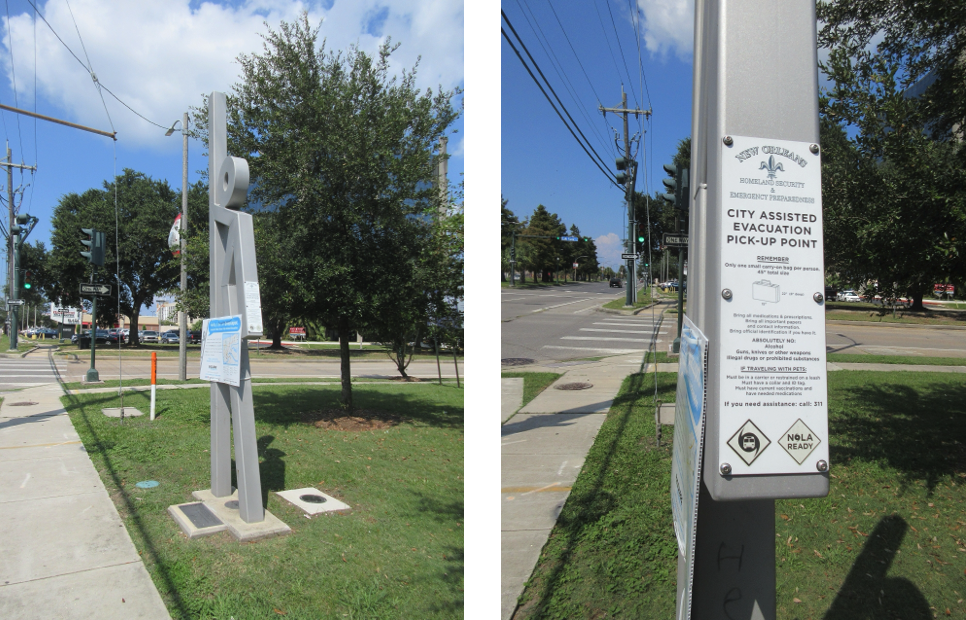
Her favorite approach is one engineers rarely reach for: art. Andrews has collected examples of communities that fold safety into the landscape — sculptures in New Orleans, for example, that double as evacuation pickup points.
For something that doesn’t work as well, she pointed to the NOAA weather radio she bought after the flood. Functionally it was excellent — it was easy enough to use, and worked — but she found the grating voice intolerable. “Make the signal the friend of the community,” she said, “not this thing that terrifies you at your worst possible moment.”
RAPID, Indeed
The UT team’s project was funded through a National Science Foundation RAPID grant, a funding mechanism built to support time-sensitive research. Stephens is serving as the PI; Faust and Pierce are co-PIs.
RAPID, as it turned out, was appropriately named. The team submitted their proposal one evening and had preliminary approval in about 24 hours. They were stunned. “This was the fastest grant I have ever seen go through,” Faust said.
The team’s findings upend a comfortable assumption: that one countywide alert reaches everyone the same way. The clearest counterevidence? Those who died. Many victims weren’t residents but visitors — campers, tourists and RV travelers who lacked the sixth sense locals have about the river that flows nearby. “They don’t know what the river is supposed to sound like,” Faust said. Vulnerability, the team has learned, isn’t only about who can move quickly; it’s about who knows the terrain.
Again, the antidote was human. At one camp, Faust said, a staffer stood at the exit at 3 a.m. waving cars away from the route the navigation apps were recommending because that would have funneled them toward the low-water crossings. He knew where technology would fail. “We as engineers often like to design in a vacuum, and then we’re shocked when things fail when we implement it,” Faust said.
To capture stories like that, the team is conducting interviews across four groups — those who fled, those who stayed, the officials in charge and surviving visitors who weren’t familiar with the terrain.
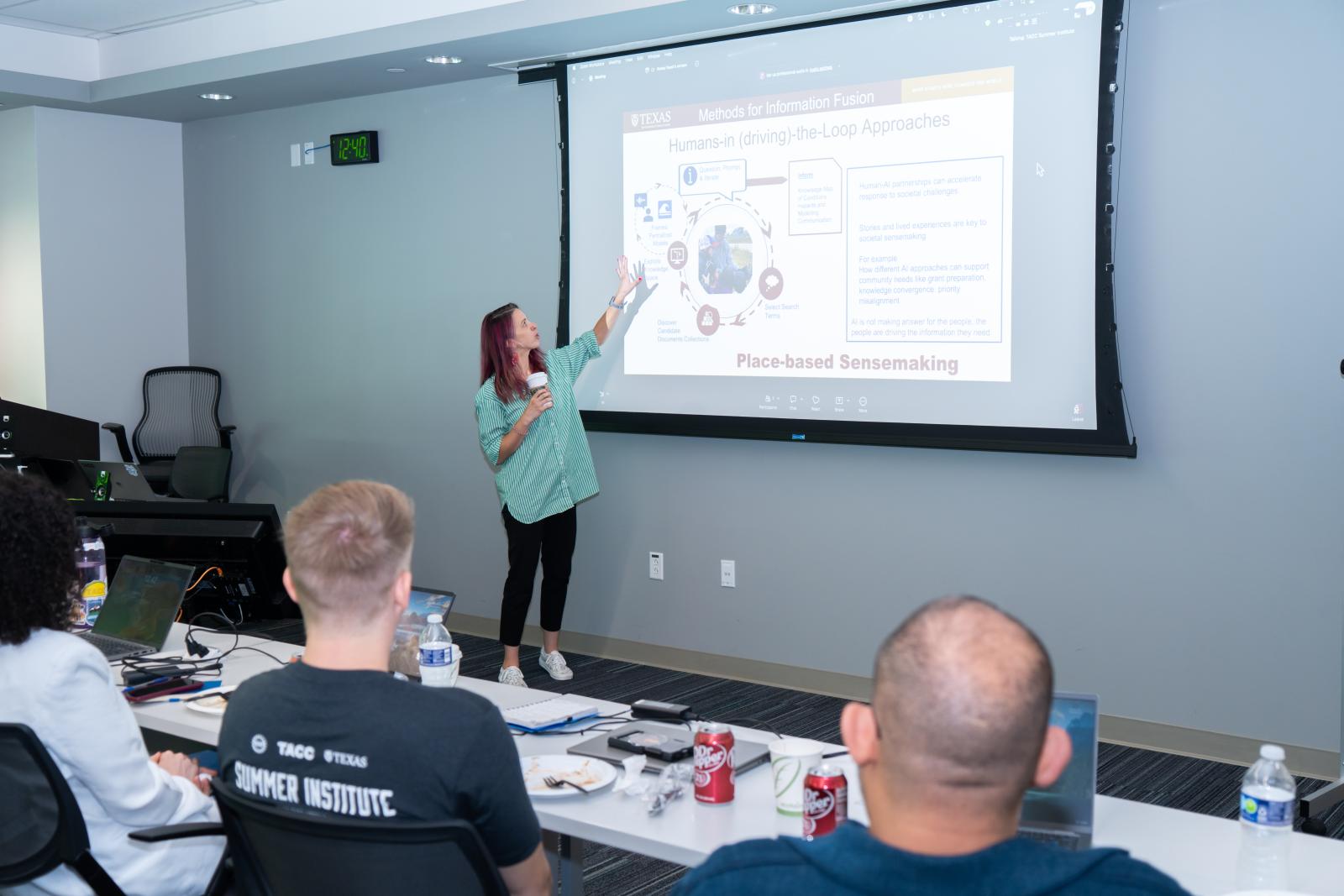
Faust is handling the built environment; Stephens, communication; Pierce, the natural systems and the computational muscle, running it through the DYNAMO system at the Texas Advanced Computing Center on tools her team built through Planet Texas 2050, one of UT’s Bridging Barriers grand challenges. The layers stack into what they call a dynamic sensemaking framework — a map of how real people decide, in real time. The goal is to turn those layered stories into practical guidance, showing where a warning, evacuation plan, road sign, camp protocol or other intervention might change the chain of decisions before the next flood turns deadly.
“Computing lets us hold dozens of people’s experiences in view at once and trace the connections between the river, the roads and the warnings,” Pierce said. “But the method is built so the human story stays in charge and the analysis serves people’s understanding. It doesn’t replace their control over the choice.”
The Weight of the Work
The interviews have exacted a price. Stephens grew up on the Clear Fork of the Brazos River and was in third grade when her family’s newly built home flooded. Five feet of water accumulated and sat in their house for three weeks. Afterwards, the local church collected congregants’ favorite recipes to help Stephens’ family replace their lost cook books. “The recipes I grew up cooking were these favorite recipes,” Stephens said. “Little things like that that can make such a difference when people are trying to recover from tragic events.”
“I do the research that I do because I’m a flood survivor,” she added.
That first-hand experience buys Stephens trust, but not distance. “I cry with the people in many of the interviews,” she added. “It’s just gut-wrenching.”
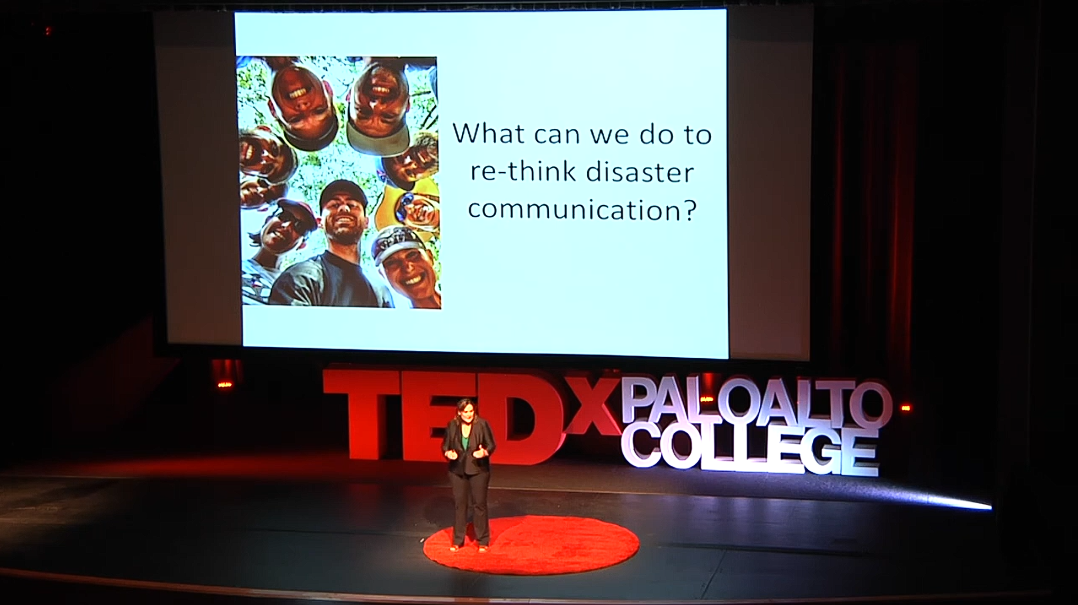
For Faust, the mother of a son right at camp age, taking on the work was heart-rending. “It was too close, [but] something has to be done,” she said.
That belief is the project’s quiet engine. “We are hearing from media about what’s not working,” Stephens said. “Our project is uncovering what is working.”
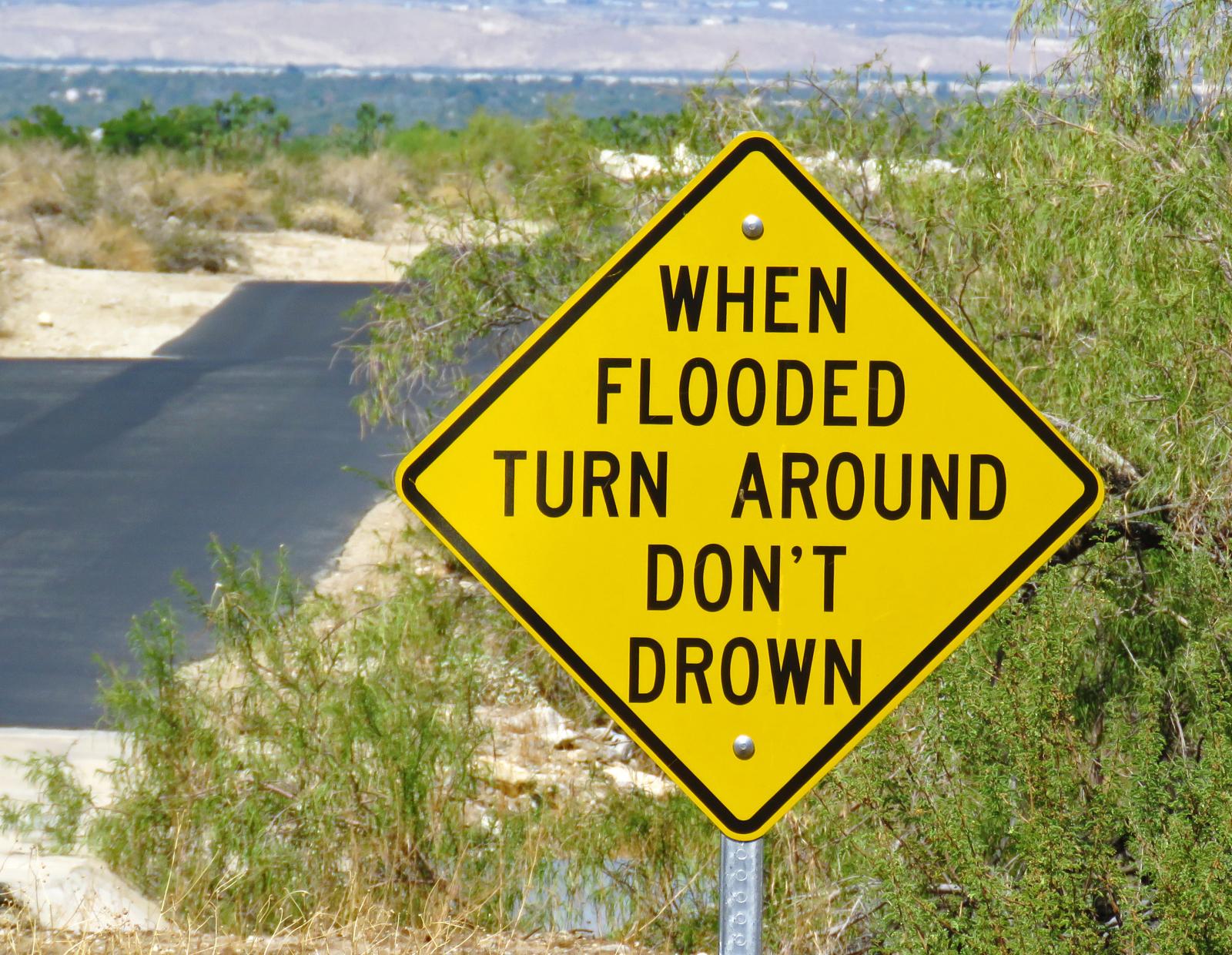
Her starting wish list is short and practical: clearer signage for low-water crossings, which Stephens said many people do not recognize as danger zones, and a flash-flood drill like the wildfire version her team once ran.
The RAPID grant was built for urgency — to capture memories, decisions and details before they faded — but the work is not a one-year response to a one-night disaster. It builds on years of research by the project team and their collaborators into how infrastructure, communication and human behavior collide under stress.
For Pierce, that longer arc depends on making the tools useful beyond the team that built them. “The hard part isn’t running the analysis once,” she said. “It’s building it so a community, an agency or a student can run it again for the next event. At the TACC Decision Support Office, we’re turning these layered human stories into reusable tools and training, so the capability outlives any single project.”
Stephens and Faust recently co-edited the first “Handbook of Infrastructure Communication,” a 500-page argument that engineering and human understanding must be built together, not bolted on separately.
For Andrews, it comes back to the brain under stress. Gather people’s stories, help them heal and only then can a community plan for the next flood. "If you don't help that brain heal," she said, "it is not prepared."