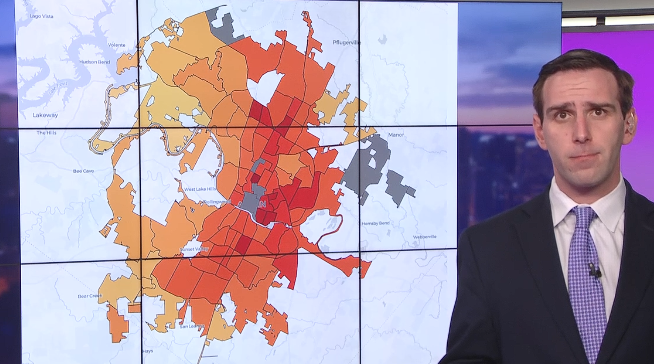
An interdisciplinary team of Whole Communities–Whole Health researchers is launching a new study of air quality and health in southeast Austin, building on questions and concerns raised by community members.
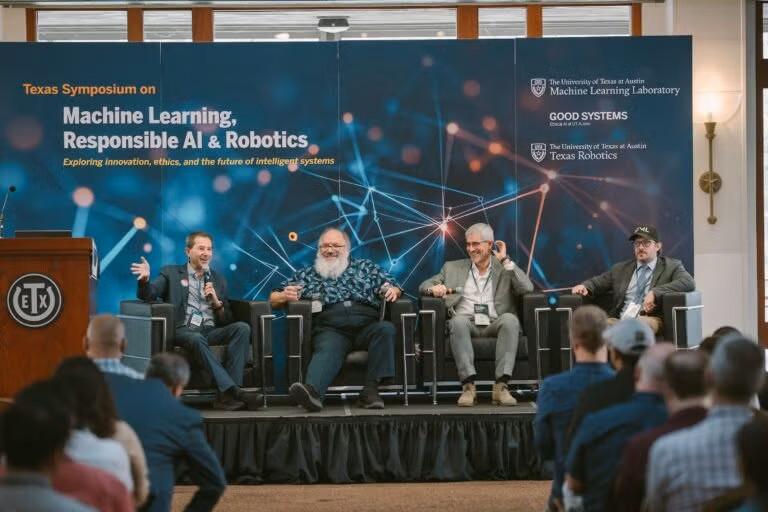
In March, more than 600 leaders in academia, industry, government, nonprofits and the greater Austin community gathered at UT Austin for the inaugural Texas Symposium on Machine Learning, Responsible AI, and Robotics — organized in partnership by Texas Robotics, the Machine Learning Lab and Good Systems.
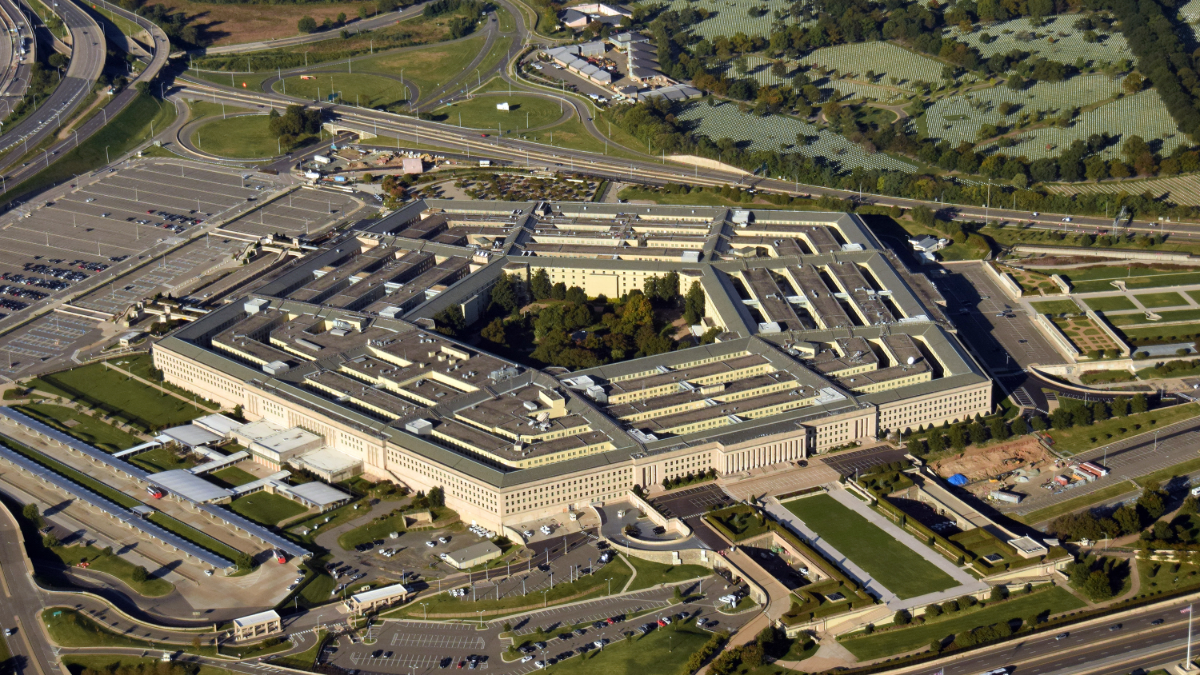
Good Systems’ Sharon Strover argues that the Anthropic–Pentagon clash reveals a hard truth about AI governance: corporate ethics are no match for state power, and safety commitments mean little without legal and democratic backing.
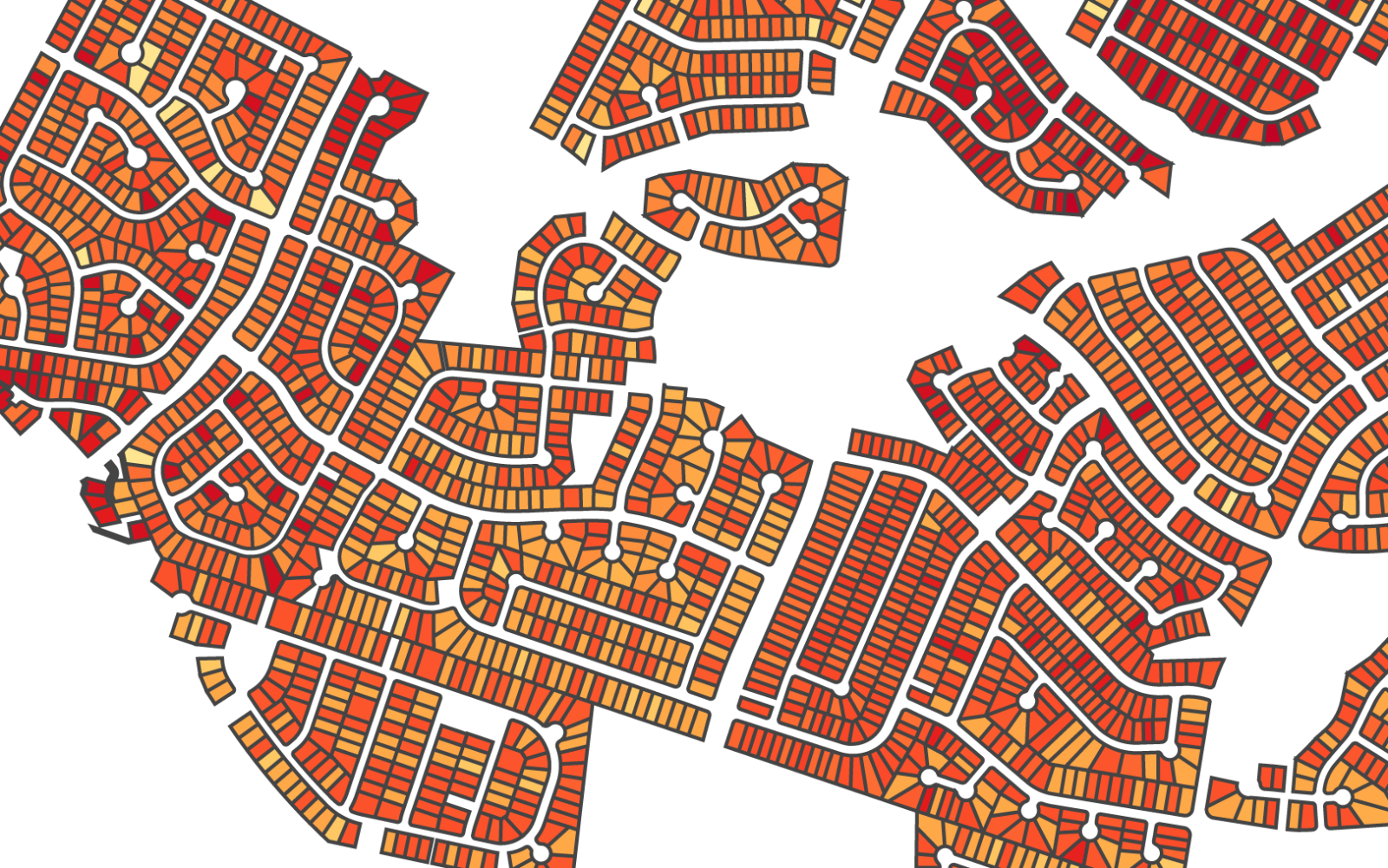
A new study led by UT researchers examined the indoor heat vulnerability for single-family homes across the city of Austin.
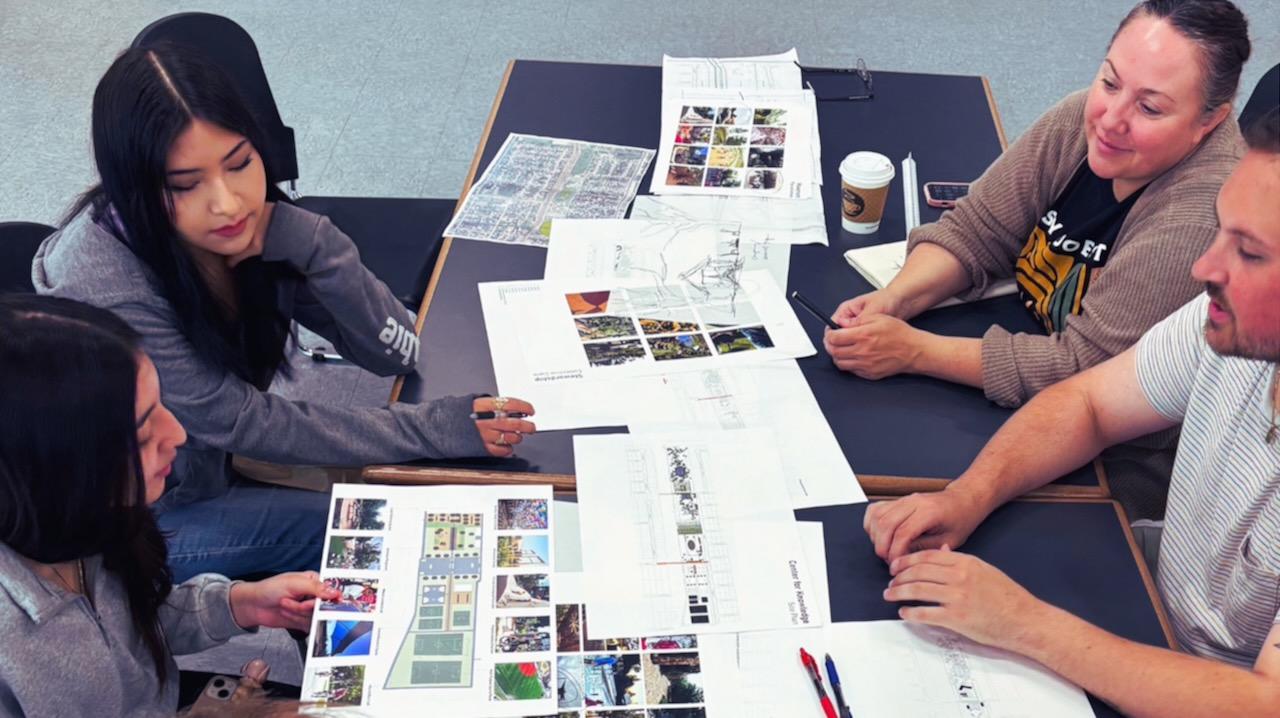
The project is part of the UT-City CoLab, a collaborative initiative between University of Texas researchers, Austin city leaders and community members.
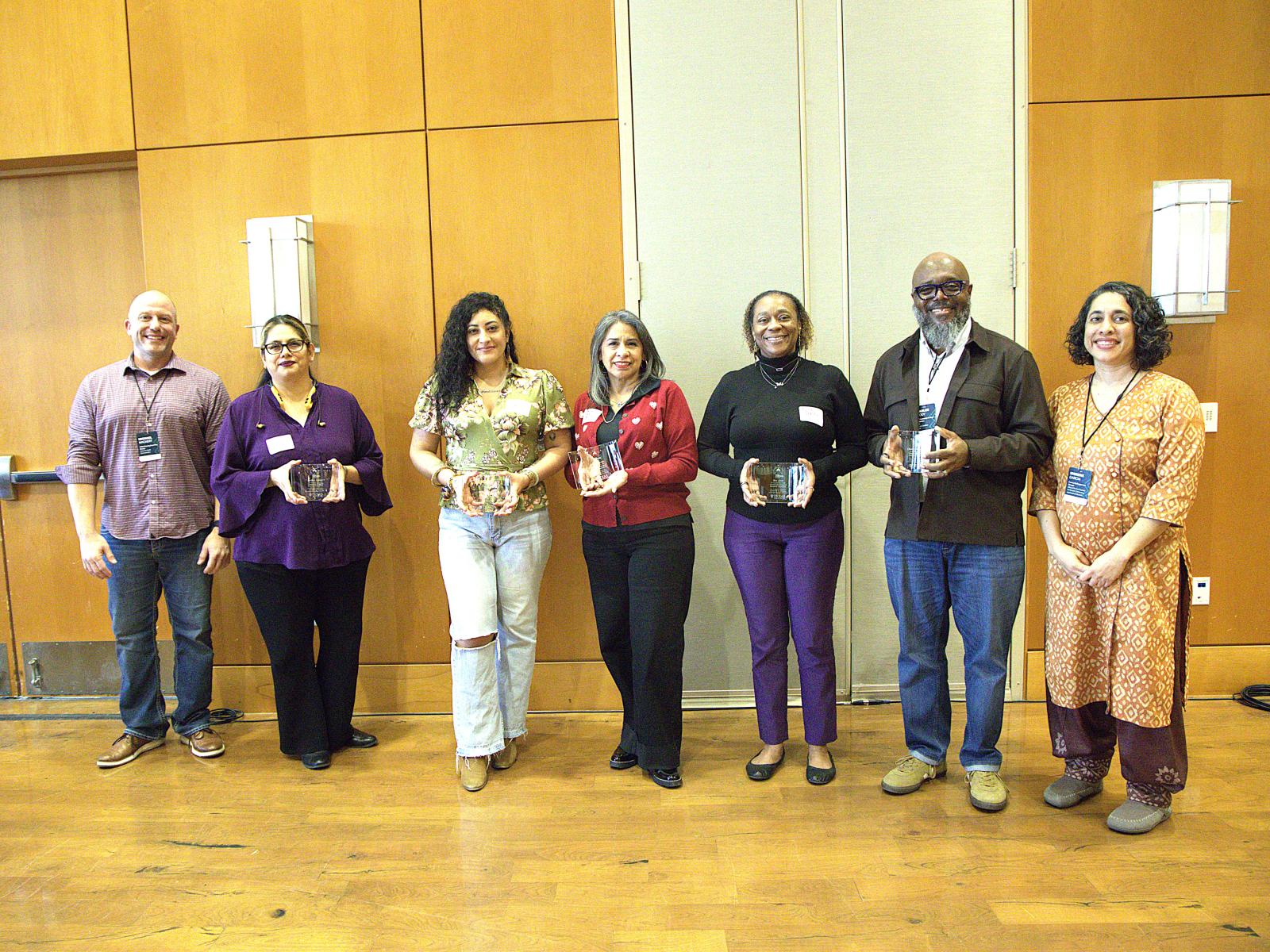
Seven longtime community partners were recently presented with Community-Engaged Research Champion Awards from Whole Communities–Whole Health (WCWH). The awards, presented at the WCWH Research Symposium on Feb. 6, honored Community Strategy Team (CST) members and community liaisons who have partnered with the initiative for five years or more and whose sustained involvement has helped guide WCWH’s flagship longitudinal study.
Good Systems has awarded seed funding to six interdisciplinary faculty teams researching how AI can be designed in ways that better reflect human values and societal needs. Among the recipients are College of Liberal Arts faculty Yuhao Kang, Jo Hsu and Alison Kafer.
A new study led by UT researchers is the first to assess the indoor heat vulnerability for each single-family home in an entire city. The team, which included Planet Texas 2050's Dev Niyogi and Marc Coudert, found that if the power were to go out during a heatwave, 85% of Austin’s single-family homes would pose significant risk of death to an elderly person inside.
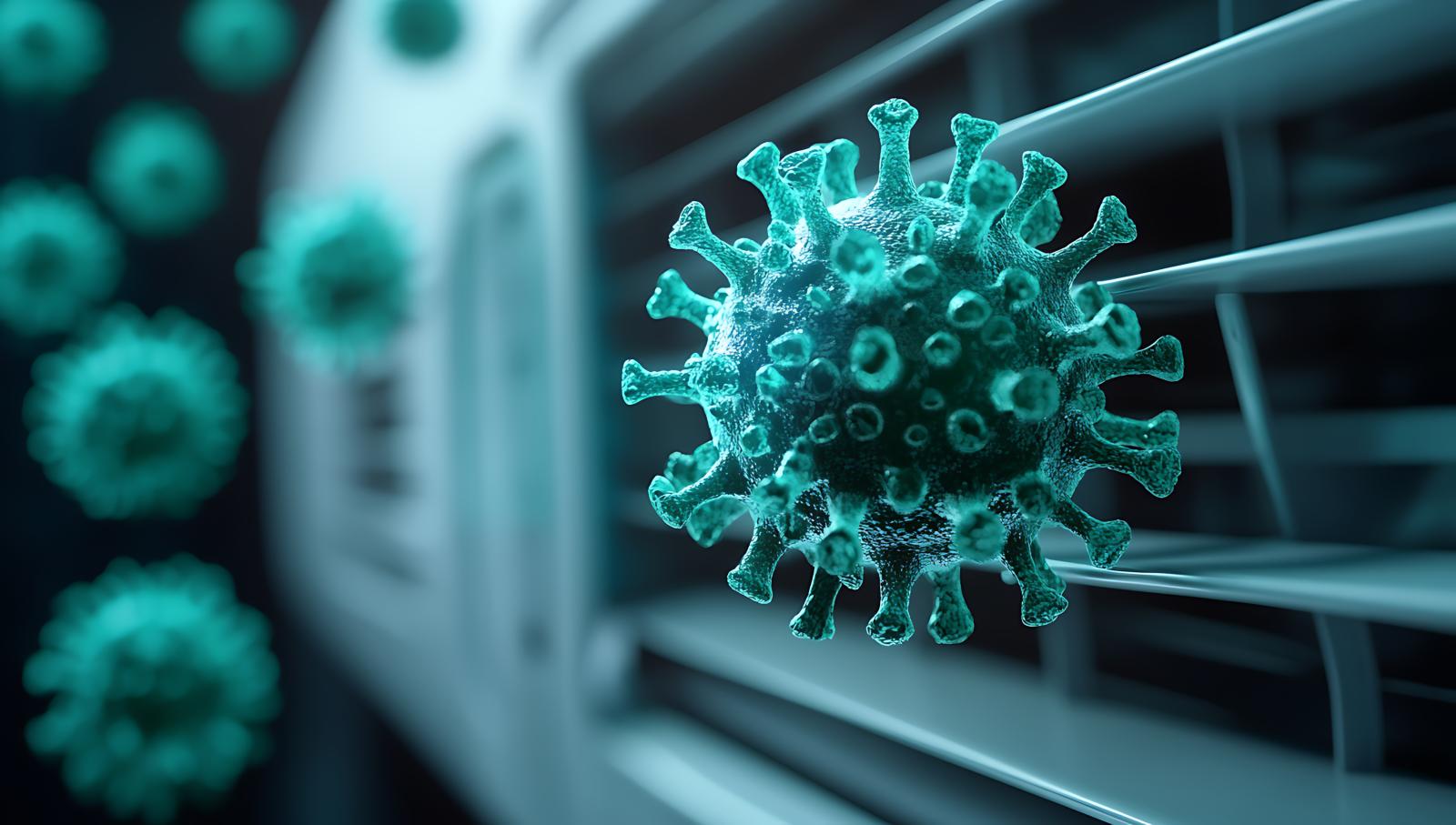
A Whole Communities–Whole Health research team has shown that HVAC filters can serve as a building-level surveillance tool. By analyzing dust collected over weeks of operation during the COVID-19 pandemic, the team detected fragments of the coronavirus and estimated how it may have been distributed across different zones of a multi-story residence hall.
For the first time, a Texas-based project has been selected for Monument Lab’s Re:Generation initiative, bringing the stories, struggles and visions of the Las Milpas neighborhood in Pharr, Texas onto the national stage.