In March 2025, Austin Police allegedly found more than 365,000 images of child sexual abuse material on the devices of Carl Innmon, then a fifth grade teacher at Baranoff Elementary in the Austin Independent School District.
On opposite sides of the country two teenagers made the same tragic decision to end their lives just months apart. They did not know each other, but they both engaged with AI chatbots from Character.AI prior to their deaths.
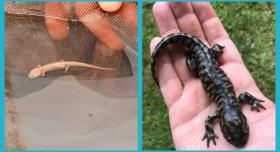
As rising temperatures puts pressure on living things in Texas, fossil records offer lessons on how salamanders have fared with similar changes in the past, according to a new study published in the journal Quaternary Research and supported by UT Austin’s Planet Texas 2050.
A group of UT researchers is using AI modeling to create user-friendly tools that track storm surges and chart their effects on the spread of infectious diseases in the Rio Grande Valley.
Round Rock police are warning the community about a viral TikTok trend where users are creating AI-generated images of home intruders to prank roommates, neighbors and parents.
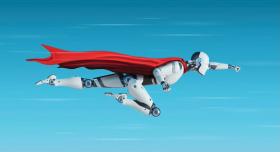
Through a joint venture with the city of Austin, a team of UT researchers is nearing the end of a three-phase, interdisciplinary exploration of AI’s ability to provide immediate, accurate emergency guidance across a wide range of languages.
A new study from Whole Communities–Whole Health researchers shows that when it comes to changes in your DNA, how stressed you feel may be just as important as how stressed your body actually is.
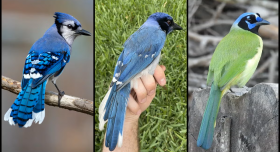
Biologists at The University of Texas at Austin, who have reported discovering a bird that’s the natural result of a green jay and a blue jay’s mating, say it may be among the first examples of a hybrid animal that exists because of recent changing patterns in the climate.
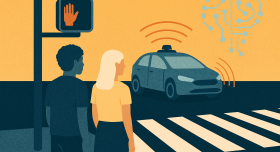
A team of Good Systems researchers is using video footage and VR simulations to study driver behavior toward pedestrians — and how bias may influence future AI systems.