Abril 19, 2021
UT School of Nursing Launches Vaccine Programs for Underserved Austin Communities
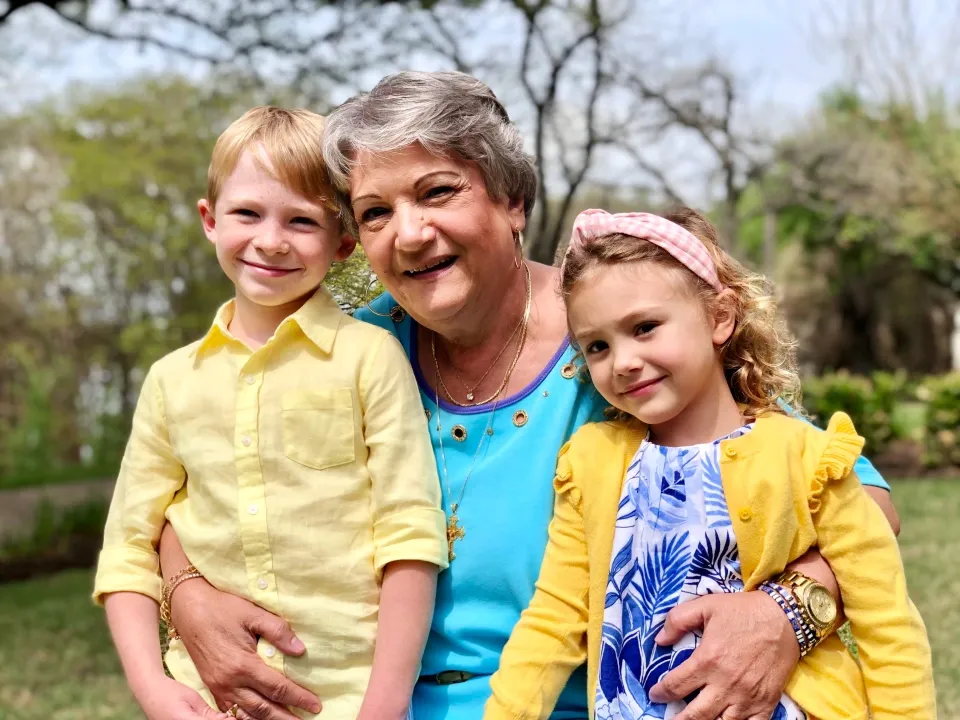
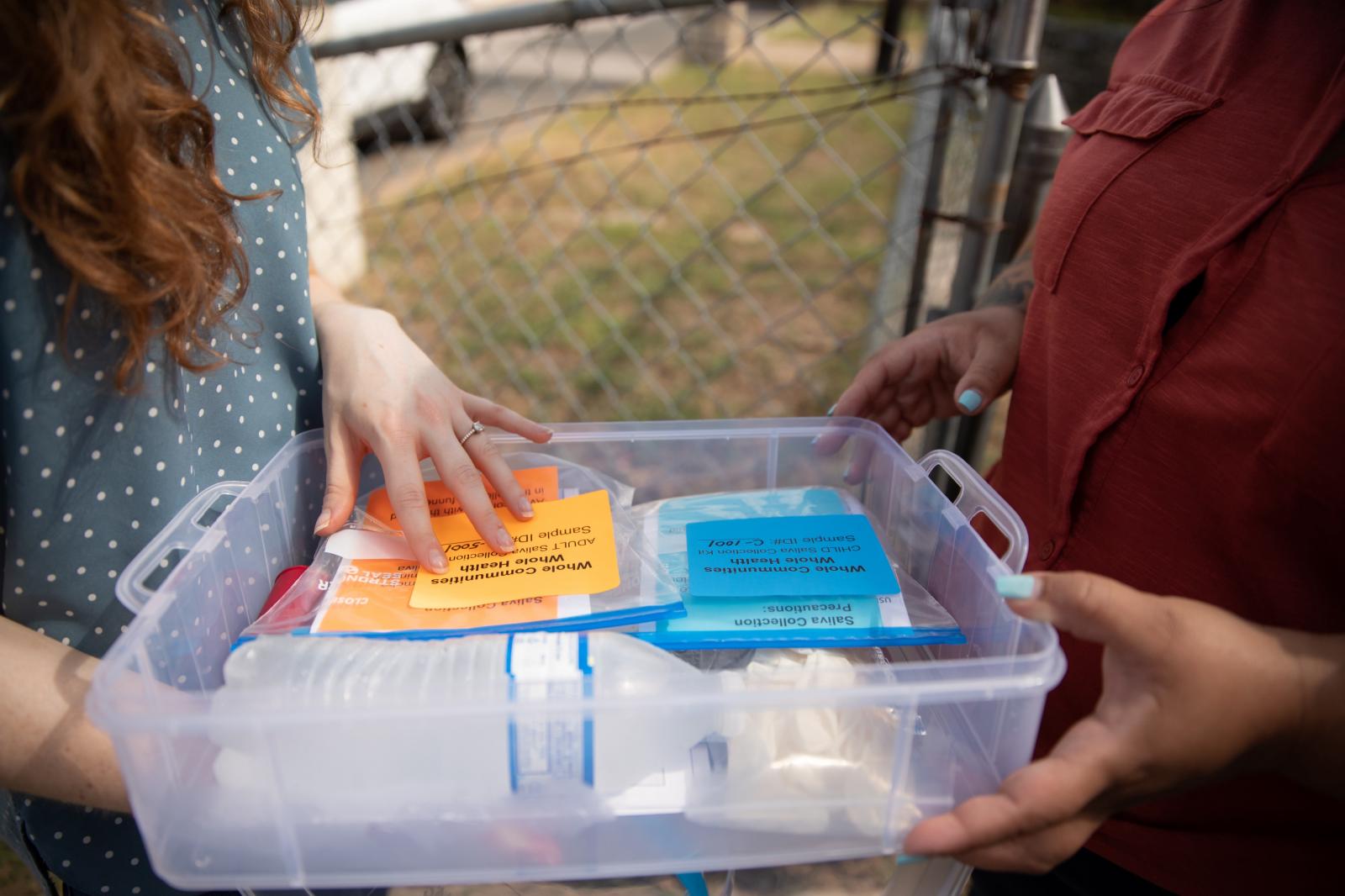
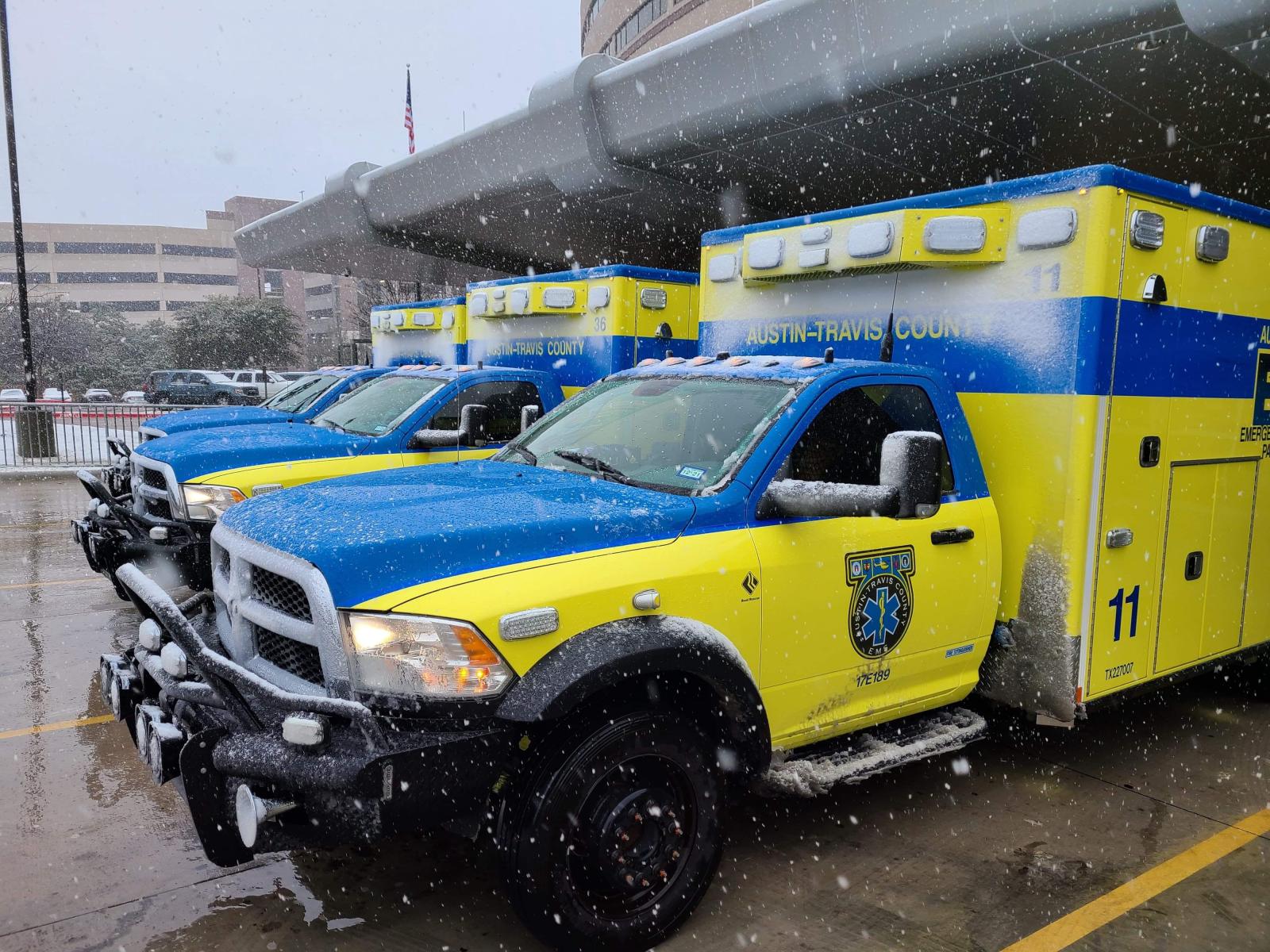
The School of Nursing launched two vaccination delivery programs in March that provide vaccines to underserved Austin communities. The two programs, Vaccine Administration Mobile Operations (VAMOS), which is co-sponsored by Whole Communities–Whole Health, and Vaccinate, No Waste (VaxNow), were created by people working in vaccine operations after they realized some Austin communities could not access UT’s mass vaccination hub.
Chihuahuan desert
Marzo 31, 2021
Environments and Borders: A “Not Even Past” Collaboration
Borders today are understood as political demarcations that separate states and nation-states. But, sometimes, we share more in common with the people beyond these arbitrary lines than we think.
Marzo 31, 2021
Environments and Borders: Where Do We Draw the Lines?
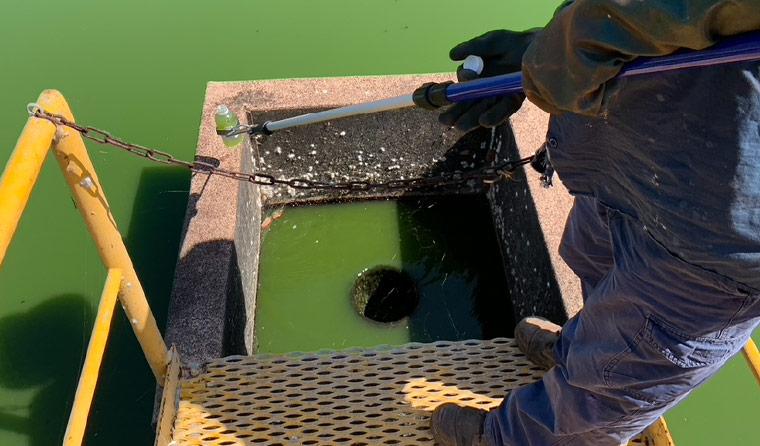
Natural environments seldom follow political borders. While sometimes arbitrary lines on a map separate states, natural environments shape the way people live. Mexican American and Latino/a Studies Assistant Professor C.J. Alvarez explores the identities of what he calls “desert dwellers” and how the Chihuahuan shapes and defines them.
Marzo 23, 2021
Data Show How the Pandemic Changed Day-to-Day Life
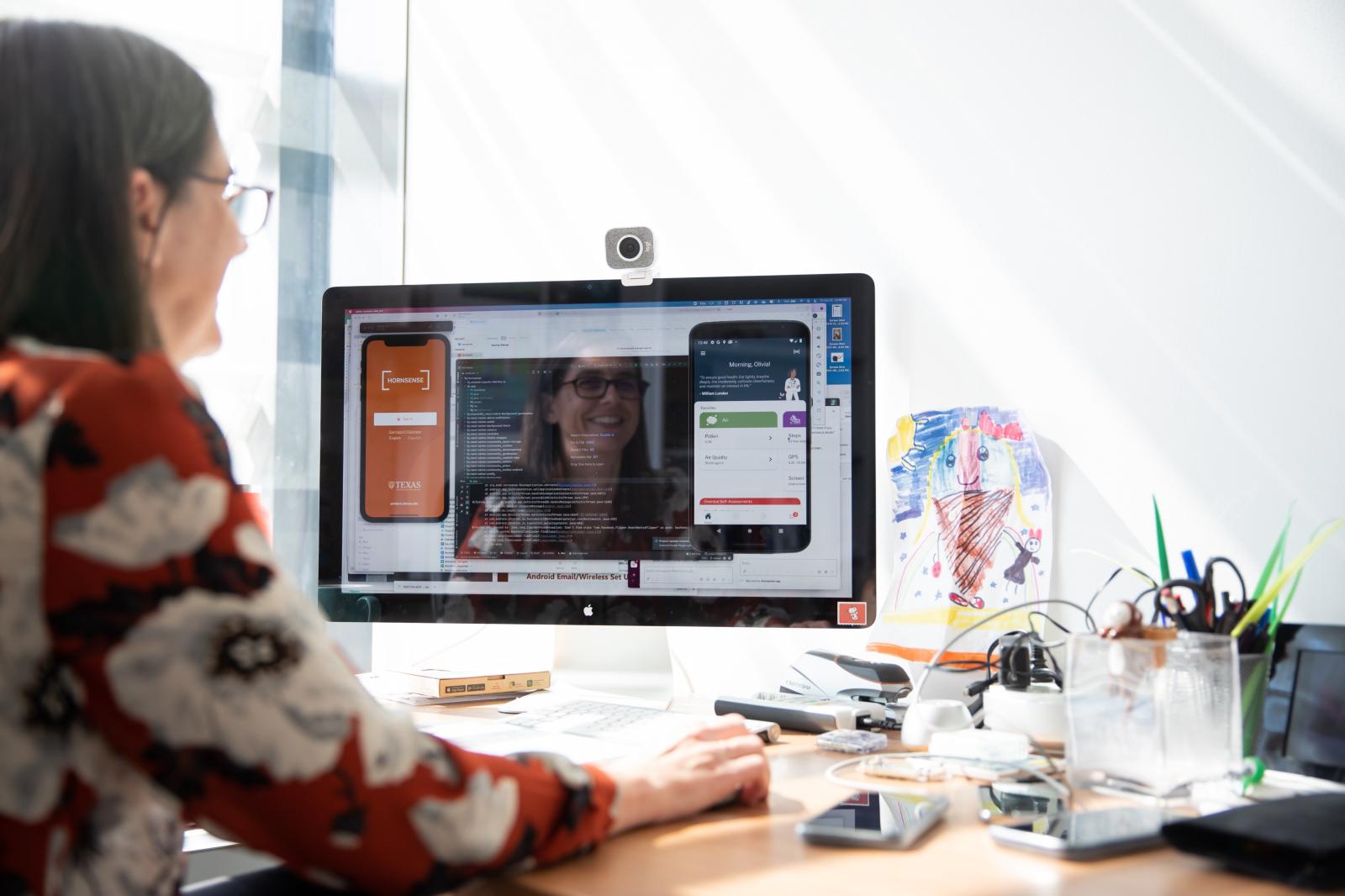
Using publicly available data, researchers in the Cockrell School of Engineering and Whole Communities–Whole Health have quantified the many ways day-to-day activity has changed since the pandemic began, including real estate activity, traffic, retail spending and job postings.
Marzo 22, 2021
UT Releases Study Showing How Pandemic Has Changed Day-to-Day Life in Austin
This week, UT researchers, including experts from Whole Communities–Whole Health, released a new online dashboard measuring all the ways the COVID-19 pandemic has changed life in Austin, including transportation, small business revenue and the housing market.
Specialists in Mesoamerican archaeology
Marzo 16, 2021
Can We Leave It All Behind?: A “Not Even Past” Collaboration
As part of the Institute for Historical Studies' "Climate in Context" events, Planet Texas 2050 has teamed up with the digital magazine "Not Even Past" to produce a series of articles outlining why history and archaeology are important to our understanding and mitigation of the effects of climate change. This article by Classics Associate Professor Adam Rabinowitz details his work exploring the ancient past to help plan for the future.
Marzo 16, 2021
In the Wake of the Great Winter Storm, How Can Texas Create a More Resilient Power Grid?
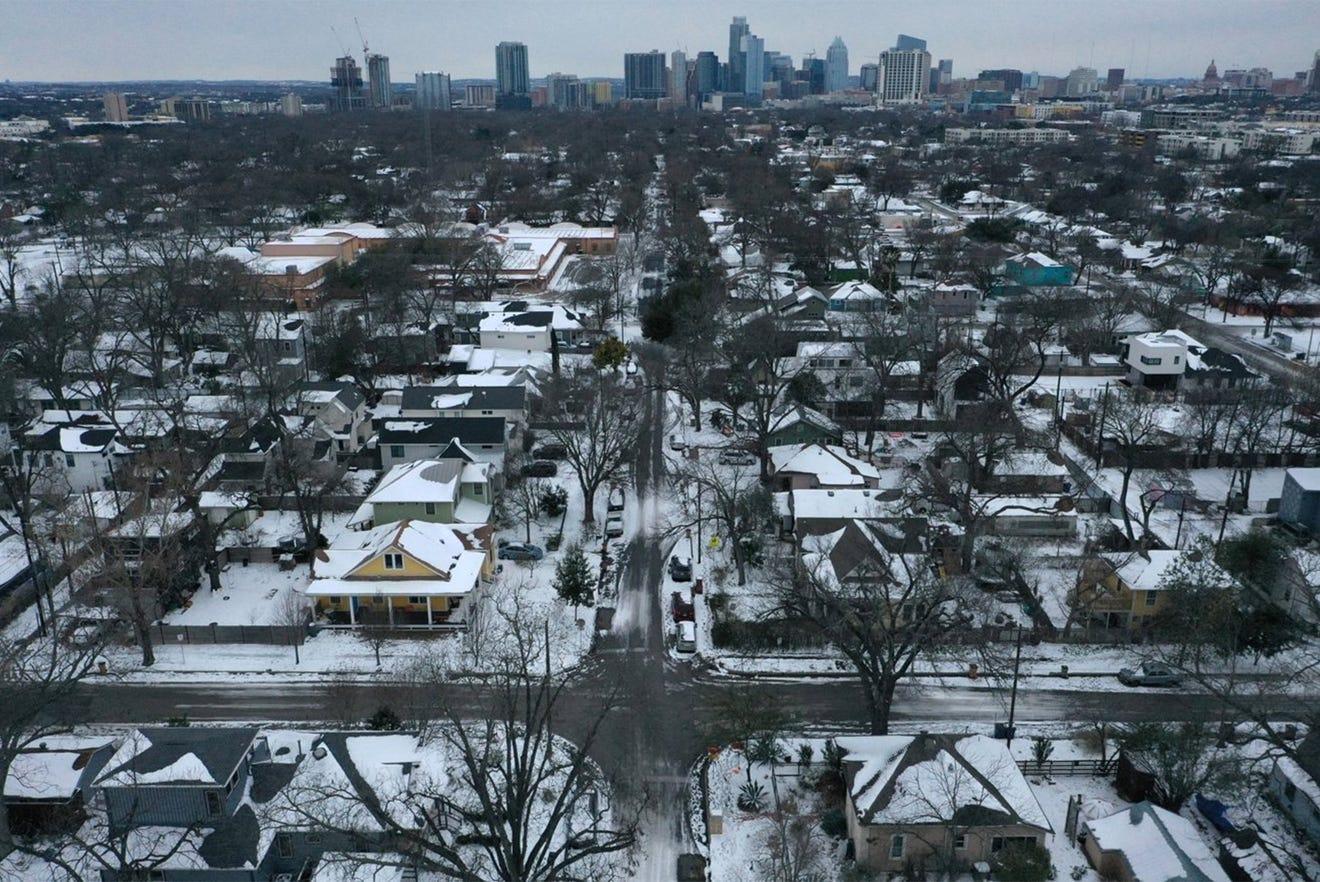
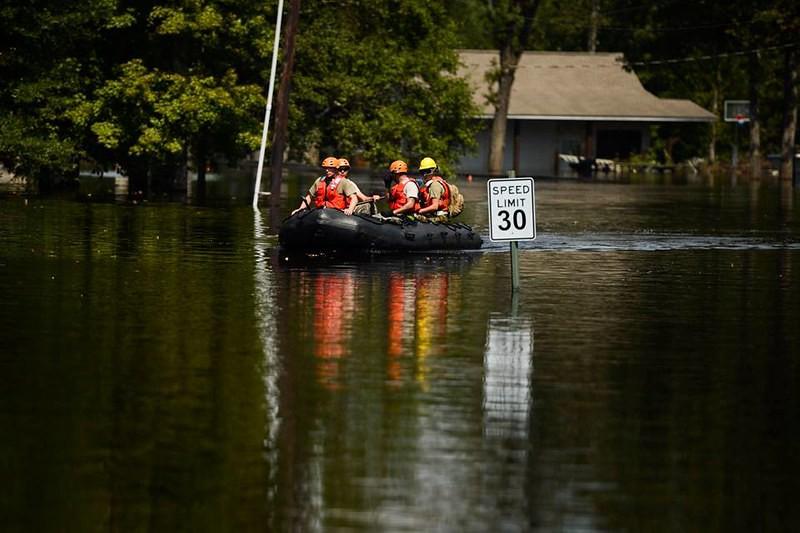
Researchers at UT Austin have been working on a project using advanced modeling to predict when certain electrical substations will be thrown offline during an extreme weather event. The goal is to help design a better, more resilient system by assisting energy companies, policymakers and state agencies in planning infrastructure investments during the next decade. The team has been focused on flooding from major hurricanes, but now, they are considering how the model could be tweaked to improve the state’s power grid in the face of a winter storm
desert
Marzo 16, 2021
Introducing Planet Texas 2050: A “Not Even Past” Collaboration
As part of the Institute for Historical Studies' "Climate in Context" events, Planet Texas 2050 has teamed up with the digital magazine "Not Even Past" to produce a series of articles outlining why history and archaeology are important to our understanding and mitigation of the effects of climate change. This article introduces our grand challenge.
conference room
Feb. 26, 2021
Ethics Belongs in Industry — Here’s How We Ensure it’s a Priority
Ethical concerns regarding modern technology seem to show up everywhere. These issues give rise to questions about whether industry is ready to face the challenges associated with AI and how ethical considerations can be implemented in the day-to-day workflow at technology companies.
Surveillance cameras
Feb. 26, 2021
Surveillance Perspectives: Who’s Watching Us?
Surveillance is happening all around us all the time. Businesses, governments, and nonstate actors are gathering information — whether it’s to sell us something on social media or screen us when we apply for a home loan. University of Texas at Austin and New York University researchers participated in a Good Systems panel last month where they discussed various types of surveillance and how this practice is sometimes obvious but also elusive.